Home Textile and Curtain Fabric Inspection
Home textile and curtain fabric inspection: for stains, holes, color differences, pattern misalignment and weaving defects on home textile/curtain fabrics, jacquard and printed fabric, continuous roll imaging plus AI segmentation and marking and rejection output OK/NG.
Application Overview
Continuous Inspection of Home Textile, Curtain and Fabric Rolls
Inspection of stains, holes, color difference, pattern registration errors and weaving defects in home textile / curtain fabric (woven, jacquard, printed); roll material is imaged continuously, with AI judging defects and marking for rejection.
Home textiles and curtains are mostly large-format fabric rolls with complex jacquard and printed patterns; stains, holes, weaving defects and pattern-registration misalignment have low contrast against the print, so manual visual inspection rarely covers every piece and standards vary.
This station covers the appearance of home textile and curtain fabric, focusing on stains, holes, color difference, pattern misalignment, weaving defects and fabric edges; illumination and models are adjusted according to the fabric type.
Inspection runs continuously at the fabric inspection / slitting process step, with line scan covering the full area and defects marked for slitting rejection; under textured backgrounds, defects are identified by AI segmentation.
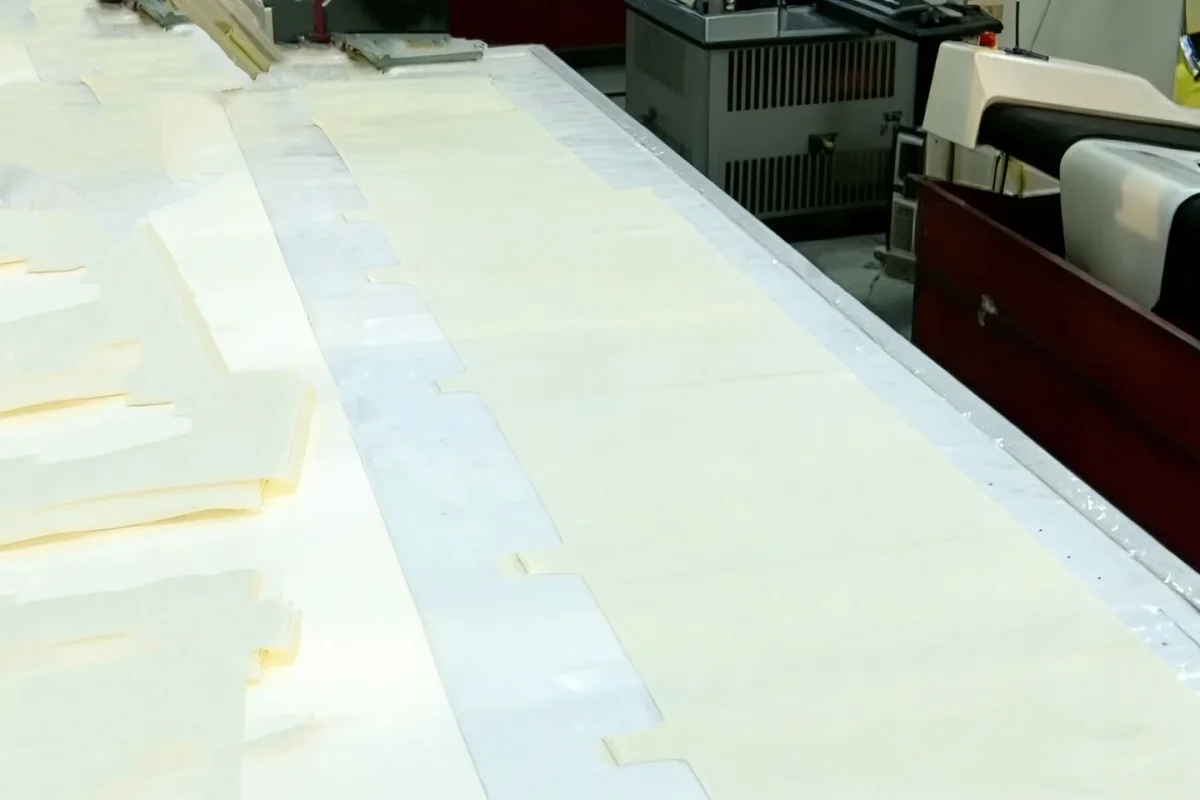
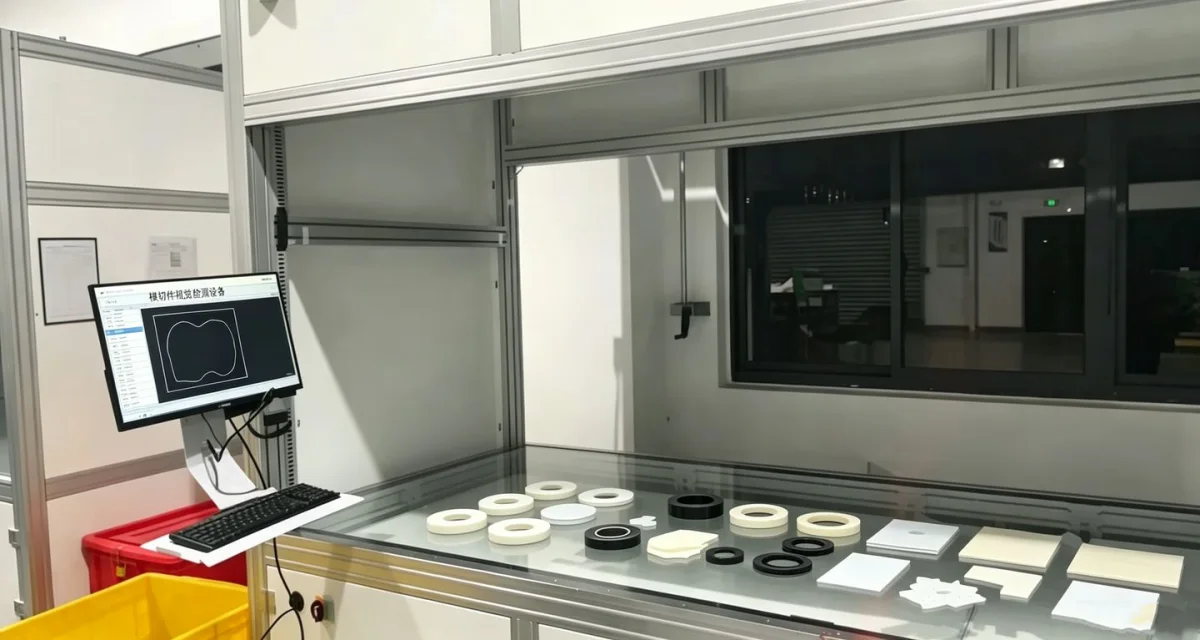
inspection Targets
What This Station Actually Has to Judge
| inspection item | Description |
|---|---|
| stain | Oil Stains, Discoloration |
| hole | Holes, Tears |
| color difference | Uneven Color |
| Pattern Registration Misalignment | Pattern Offset |
| Weaving Defects | Yarn Breakage, Skipped Stitch |
| Selvedge | Edge Irregularity |
| foreign matter | Adhered Particles |
Why Inspect
Problems with manual visual inspection at this step
Home textile curtains are mostly large-area fabric; against jacquard and printed backgrounds, stains, holes, and weaving defects have low contrast, manual visual inspection struggles to achieve full coverage, and standards vary.
The fabric inspection step must continuously cover the full width and record defect positions for removal during slitting, reducing downgrades of finished goods.
- Low defect contrast against patterned backgrounds
- Large formats require continuous 100% inspection
- Inconsistent manual standards are hard to trace
- Defect positions must be marked for slitting
How Inspect
Stations and Inspection Chain
- 01 Continuous roll material feed
- 02 Line-scan covers the full area
- 03 Diffused light for stain and color difference inspection
- 04 Backlight Inspection for Holes
- 05 AI segmentation of weaving defects
- 06 Print registration template matching
- 07 Defect marking
- 08 Interlocking rejection/sorting
- 09 Image and data archiving
How to Inspect
For home textile and curtain rolls, line-scan cameras continuously cover the web area: stains and color differences rely on diffuse light, holes on backlight, and weaving defects and pattern registration on AI segmentation and template matching — continuous web texture imaging.
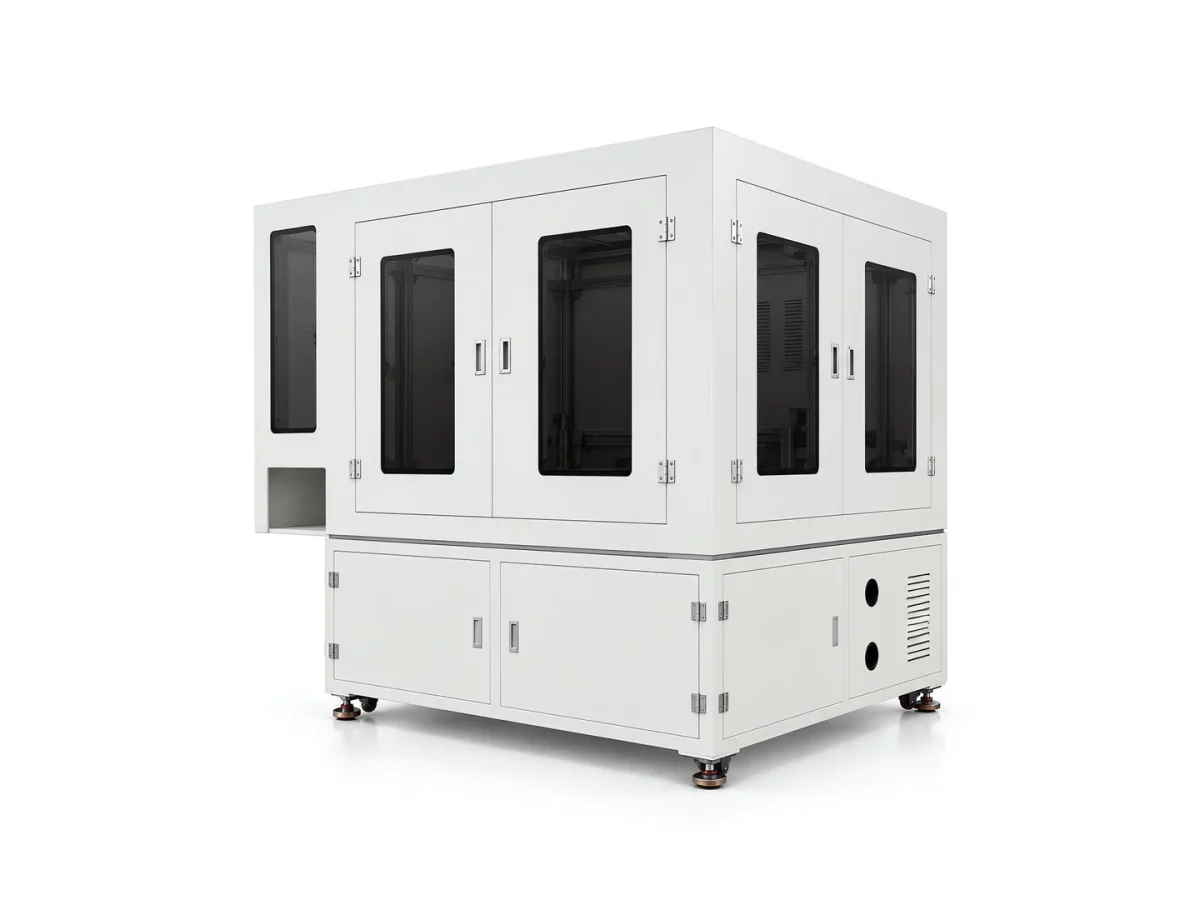
inspection defect
| Defect Types | Typical Manifestations | Inspection Focus Points |
|---|---|---|
| stain | Oil Stains, Discoloration | Diffused Light |
| hole | Splits | Backlight |
| color difference | Uneven Color | Color Patch Comparison |
| Pattern Registration Misalignment | Pattern Offset | template matching |
| Weaving Defects | Yarn Breakage, Skipped Stitch | AI segmentation |
| Edge Irregularity | Uneven Fabric Edge | Contour Comparison |
| foreign matter | Particles | Segmentation |
Applicable equipment
Application Industry
Common Question
What are the challenges in home textile and curtain inspection?
Can it replace manual fabric inspection?
What Inspection Accuracy Can Be Achieved?
How Are Pattern Registration Errors Inspected?
How is roll material traced?
Can the results integrate with the production line?
Does Switching Fabric Types Require Retuning?
Submit sample testing
Typical OK/NG home textile / curtain fabric samples can be sent for measured testing: the line-scan and segmentation model solution is determined by the decorative pattern.
Submitted successfully
We have received your sample testing request. A solution engineer will contact you within 1 business day via contact you.
Need to assess imaging conditions, defect criteria and cycle time item by item? Go to the Full Requirement Assessment →
Can This Application Be Done? Sending a Sample for Testing Is the Most Direct Answer
Incoming material, part orientation and cycle time vary widely from factory to factory. Send us real samples and we will run imaging and judgement validation against your production line conditions, then give you a configuration proposal you can actually implement.