AI Visual Inspection Equipment for Genuine Leather
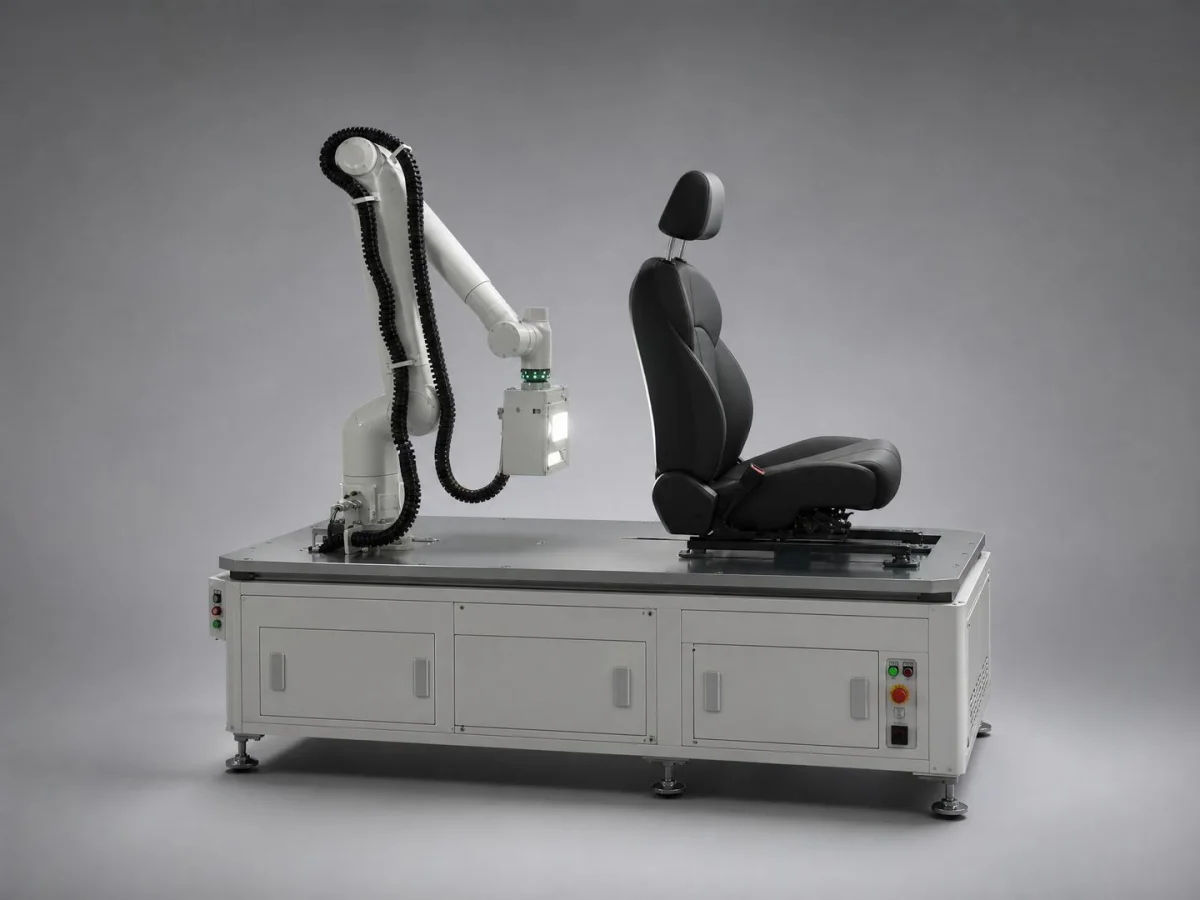
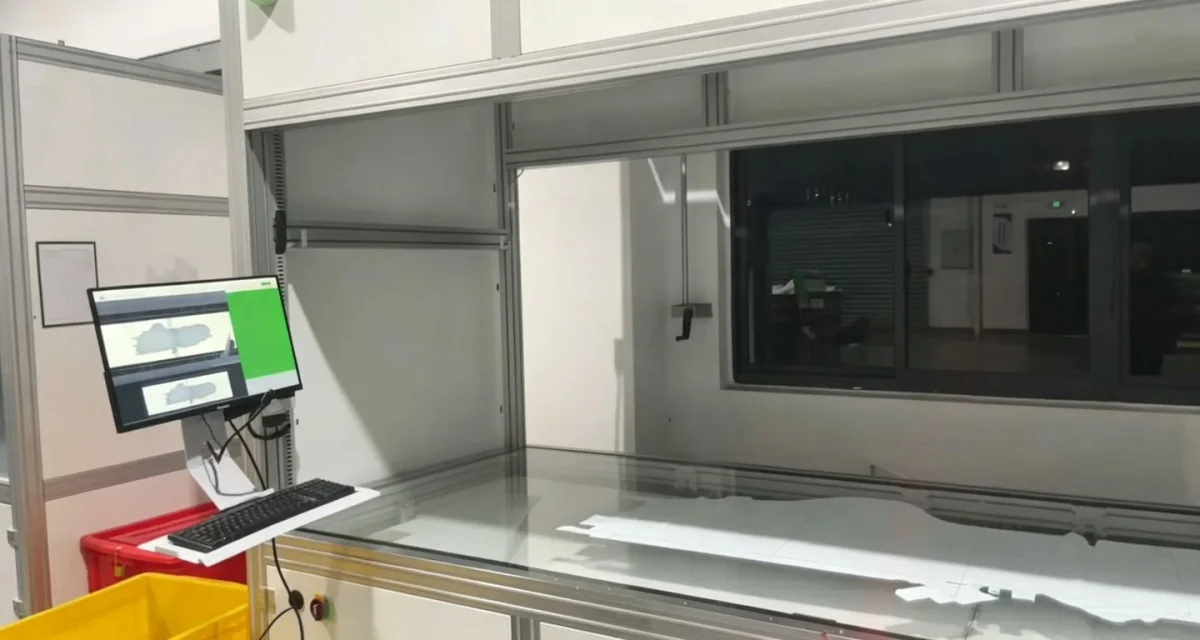
Genuine leather AI visual inspection equipment targets natural raw animal hides and finished genuine leather, performing inline grading by defect location and grade, identifying natural defects such as scars, insect holes, blood veins and loose grain, and outputting grade and OK/NG.
Materials Overview
Natural flaws are inherent, so the inspection goal is grading rather than zero defects
Genuine leather AI visual inspection equipment images natural animal hides and uses algorithms to identify natural defects such as scars, insect holes, blood vessels, loose grain and cracking, and grades them by the position and size of the defect. It outputs the usable grade and OK/NG results for raw hide grading and cut-piece optimization.
Genuine leather comes from animal hides, so natural injuries (scars, grub holes, blood veins, whip marks, growth wrinkles) are inherent, and "zero defect" like synthetic materials is impossible. The goal of inspection is not to reach zero, but Accurate Grading, Keeping Defects Outside Usable Areas.
The core of grading is "position + size". On the same hide, damage in a corner area may mean only a one-grade drop, while damage in the main material area may scrap the whole hide. The equipment must therefore not only judge defects but also mark them precisely by coordinate so that nesting software can avoid them.
Compared with synthetic leather, genuine leather has more complex texture, lower contrast, and greater batch variation. The same algorithm often has to be modeled separately for different leather types (cow, sheep, pig), which is why genuine leather inspection relies more on samples and measurement.
Applicable Type
Cowhide Top Grain Leather
Coarse texture with many defects; the focus is grading and nesting avoidance
Sheepskin
Thin and soft with fine texture; illumination and pixel equivalent are demanding
Pigskin
Pores are arranged in a triangular pattern; the feature is distinct but damage forms are varied
Corrected Grain / Lightly Corrected Grain Leather
Sanded and uniform in surface, with the focus on coating finish and show-through
Leather Crust Roll Stock
Continuous material feed, suitable for line-scan full-width grading
Common defect
| Defect Types | Typical Manifestations | Inspection Focus Points |
|---|---|---|
| Scars | Local tissue healing marks | Grading by position and area |
| Warble Holes / Insect Holes | Pinhole Penetration | Transmitted light or low-angle light forms a clear image |
| Blood Veins / Vein Marks | Subcutaneous veins visible at the surface | Easily confused with defects; the model must distinguish them |
| Loose grain | Loose, collapsed grain layer | Low-angle light highlights relief |
| Cracking | Dry cracking or finish cracking | Focus on edges, corners and bends |
| Wrinkles / Fat Wrinkles | Natural Wrinkles | Must determine whether it exceeds the acceptance range |
| hole | Short Shot or Penetration | Backlight Is the Most Direct |
| color difference | Inconsistent shade within the same batch | Stable light source and color datum |
inspection Workflow
Complete chain from loading to judgment
- 01 Loading and spreading of raw hide / cut pieces
- 02 Flattening and de-wrinkling with tension control
- 03 Multi-zone imaging covers the entire sheet
- 04 Texture and defect segmentation
- 05 Defect coordinate marking
- 06 Grading by rule (position + size)
- 07 Output Grade and OK/NG
- 08 Coordinate-based feeding / rejection
- 09 Archive images and grading results
AI Inspection Principles
AI Visual Inspection Principles
Genuine leather inspection follows a "grading logic" rather than a "presence/absence logic". After building a model of the normal grain texture, the algorithm marks out the coordinates of abnormal areas and then applies the customer's grade rules (where the defect falls, how large it is, which grade it counts as) to output the result. Success again depends on imaging: the relief of the hide, the reflection from pores, and the texture differences between leather types must all be suppressed.
For illumination, diffuse light is used to suppress pore reflection and reveal defect contours; low-angle light is used to expose the relief of loose grain and cracking. Stains on dark genuine leather (such as black split cowhide) and scratches on light-colored leather require separate lighting settings, so recipes are usually grouped by leather type and color.
The grading rules must come from the customer's acceptance specification, not be defined by the equipment manufacturer on its own. It is recommended to first perform grading measurements on a representative batch of leather and align the grading results with manual grading before going live.
Applicable Industry
Applicable equipment
Common Question
What Is the Difference Between Genuine Leather and Synthetic Leather Inspection?
Can the equipment automatically grade leather?
Will natural markings such as blood veins and fat wrinkles be mistaken for defects?
Can defect positions be accurate enough for feed and nesting avoidance?
What is the inspection accuracy?
Can It Be Integrated Into an Existing Production Line?
What samples are needed to develop a solution?
Submit sample testing
Send OK and NG samples of genuine leather from different hides (cow / sheep / pig) and in different colors, along with your grading rules; we will run grading measurements and give you an illumination plan plus recommendations on coordinate marking accuracy.
Submitted successfully
We have received your sample testing request. A solution engineer will contact you within 1 business day via contact you.
Need to assess imaging conditions, defect criteria and cycle time item by item? Go to the Full Requirement Assessment →
Send Us Your Material and We Will Show You the Measured Results
Provide several OK and NG samples of the material, and a solution engineer will run actual imaging and judgement tests on the equipment to give a workable inspection configuration recommendation, rather than reading the datasheet alone.