Fuzz and Yarn Breakage Defect Visual Inspection
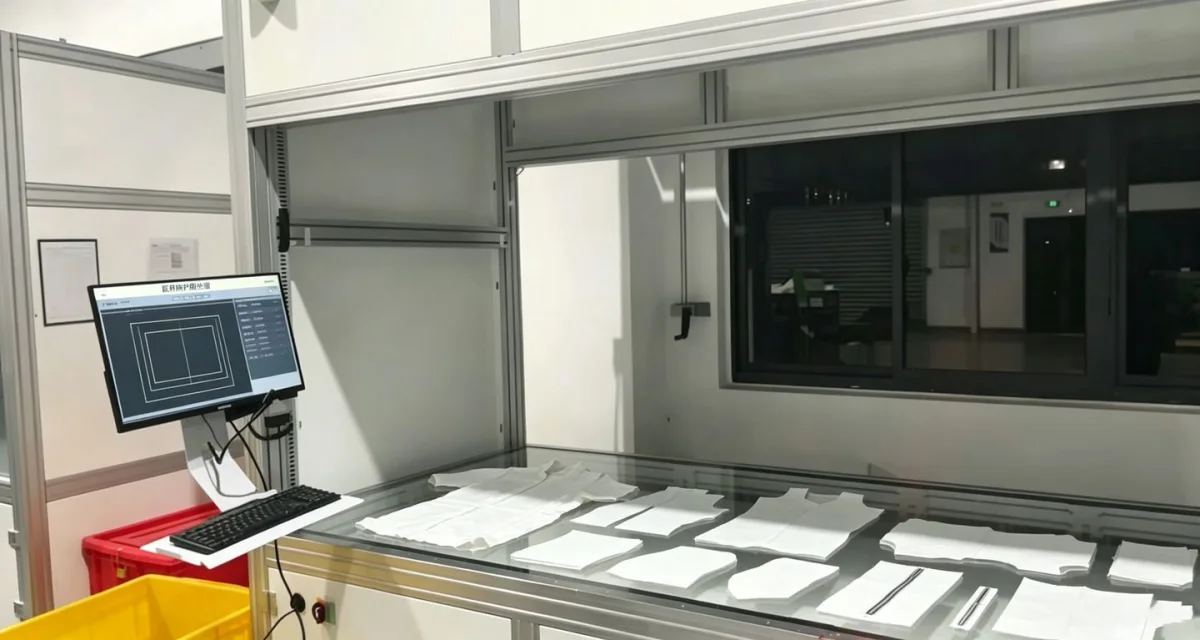
Fuzz and yarn breakage visual inspection: for raising, fuzz and yarn breakage on knitted, woven and denim fabrics, diffuse light forms a clear image of fiber anomalies, distinguishing normal raising from real yarn breakage.
defect Overview
Fabric surface fuzz and yarn anomalies, where the difficulty is distinguishing normal fuzzing from a true yarn breakage
Fuzz and yarn breakage are yarn anomalies on the fabric surface: fuzz is a raised single filament, while yarn breakage is a gap or loose end formed by a broken yarn. Under uniform diffuse light, raised fuzz produces a brightness and shadow different from the base fabric, while yarn breakage creates a local interruption in the texture. Machine vision judges them on this basis; the main risk is misjudging the fabric's normal slight fuzzing or nap as fuzz, so thresholds must be defined by the quality department together with the fabric type.
Fuzz and yarn breakage look different on the image. Fuzz is a single raised yarn that, under diffuse light, casts a thin shadow or shows a different brightness because it sits slightly higher, appearing as a diverging strand; yarn breakage is an interruption in the woven texture at some point, producing a gap, a knot, or loose yarn ends that break the originally regular direction of the weave.
These defects are most easily confused with the "normal nap". Knitted, raised and brushed fabrics already have a uniform pile, and the napping process deliberately creates a fuzzy hand. Judgement must know the "normal pile density and direction" of the fabric, and only areas that are abnormally dense, randomly oriented or interrupt the weave pattern should be judged as defects.
Another difficulty is the periodicity of the fabric texture. Both woven and knitted fabrics have regular patterns, so the texture period can be extracted first for registration, and local areas that break the period consistency (yarn breakage gaps, knots) can then be detected. For dark or highly reflective yarns, lighting must be controlled so that reflection does not mask the fine shadow cast by fuzz.
Occurrence Causes
Only when the cause is known can you decide which station should check for it
- Weaving / finishing: insufficient yarn strength or uneven tension causing yarn breakage and floating yarn
- Napping / sanding process: intentional fiber raising, but local over-napping or trapped broken ends
- Downstream processing: cutting, sewing and ironing pull out fuzz
- Normal nap: uniform pile on brushed and sanded fabric is normal and must be excluded
- Transport friction: winding and stacking rub out loose fibers
imaging Key Points
Whether it can be detected depends first on whether it can be captured
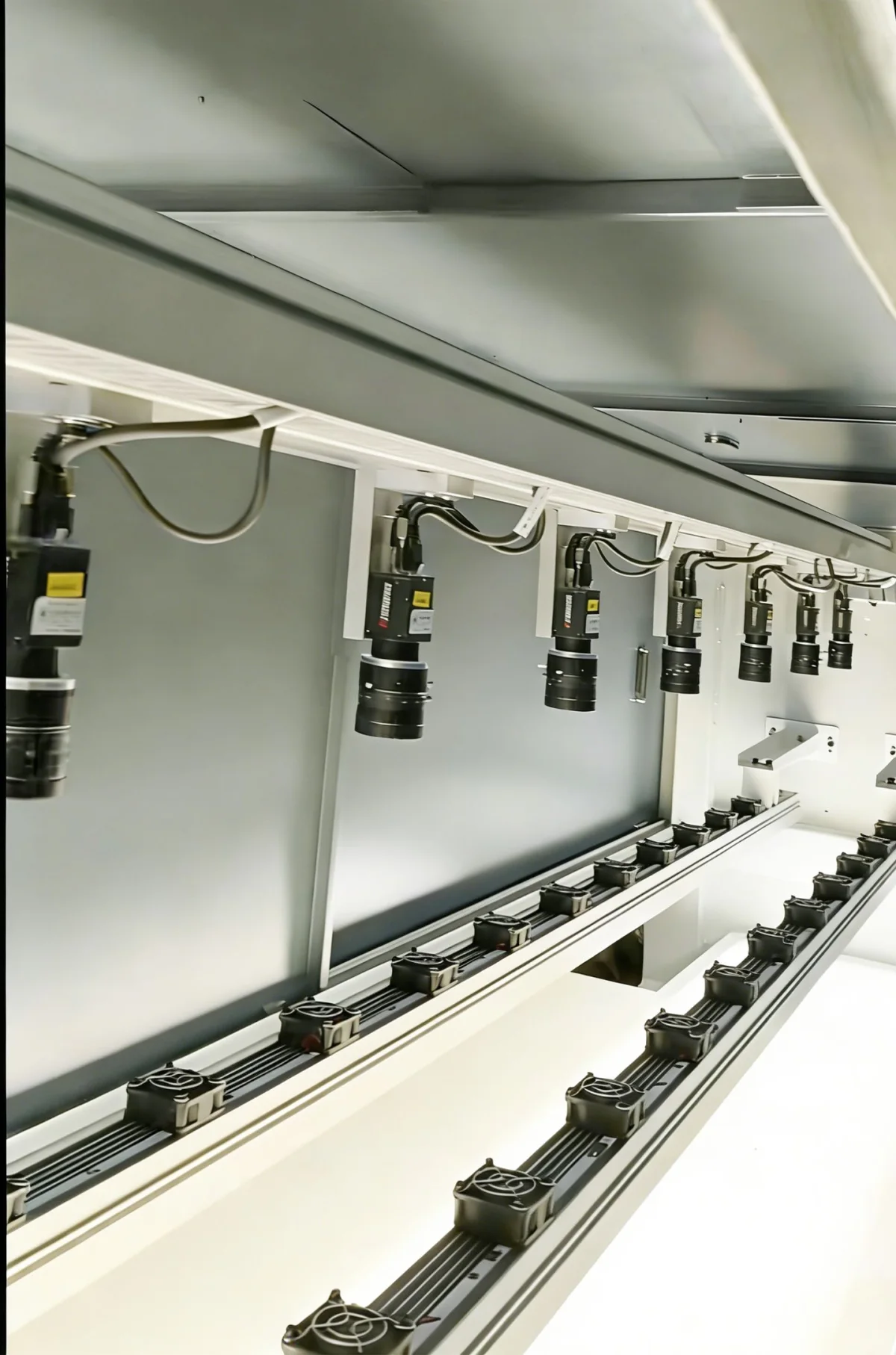
Uniform Diffused Light
Provides stable illumination so the fine shadow of raised fuzz stands out from the base fabric, suitable for fuzz-type defects
Low-Angle Light
Grazing light magnifies the height projection of fuzz, improving the visibility of fine fibers
Texture Registration
Extract the weave period first, then detect yarn breakage gaps that break the period consistency
Color Contrast
Adjust white balance for light and dark yarns to keep reflection from hiding fuzz
judgement Method
The judgement is based on "abnormal local fuzz density/direction" and "interruption of the weave period". First establish the normal fuzz baseline for that fabric, then make a significance judgement on the areas that deviate from the baseline; for yarn breakage, focus on where the weave period is broken.
Threshold bias: light fuzz can be released on appearance parts but may be unacceptable on lamination/covering surfaces, and the costs are asymmetric, so the judgement line should be defined by the quality department according to fabric and end use and saved with the recipe. Distinguishing normal fiber raising from abnormal fuzz relies on reference samples.
| Judgement Dimension | Description |
|---|---|
| Fuzz Density | Deviation of local fuzz density relative to the normal datum |
| Orientation | Whether the fuzz direction is disordered; normal nap direction is fairly consistent |
| Weave Pattern Interruption | Location and length of texture period disruption caused by yarn breakage |
| Position | Visible surfaces and bonding / wrapping surfaces use different rejection criteria |
| Fabric Datum | The normal nap of raised, brushed fabric must be registered and excluded first |
Applicable algorithm
Texture period analysis
Extract the weave period and register it to find yarn breakage that breaks period consistency
- Suitable for regular woven / knitted fabrics
- Notch and knot defects are easy to detect
Fuzz Saliency
Compare local fuzz density and direction anomalies against the normal datum
- Needs OK samples to establish the datum
- Rule out normal fuzz
Deep learning segmentation
Perform pixel-level segmentation on fuzz and yarn breakage that vary in form
- Requires sample collection for training
- Output position and dimension
Common Materials
Common Industry
Common Question
How do you distinguish fuzz from normal raised fibers?
What does a yarn breakage look like in the image?
Is Fuzz Easy to Detect on Dark Fabric?
Who Sets the Rejection Threshold for Fuzz?
How does continuous roll inspection ensure no escapes?
What Is the Thinnest Fuzz That Can Be Detected?
Does Switching to a Different Fabric Require Reconfiguration?
Submit sample testing
Fuzz and yarn breakage inspection relies on the texture period and a nap reference to distinguish normal nap feel from a genuine yarn anomaly.
Submitted successfully
We have received your sample testing request. A solution engineer will contact you within 1 business day via contact you.
Need to assess imaging conditions, defect criteria and cycle time item by item? Go to the Full Requirement Assessment →
Send Us Your Defect Samples and We Will Measure Them and Show You the Results
Whether a defect can be detected depends on whether imaging captures the defect features. Provide OK and NG samples and we will run actual imaging and judgement tests on the equipment.