Protective Clothing Inspection
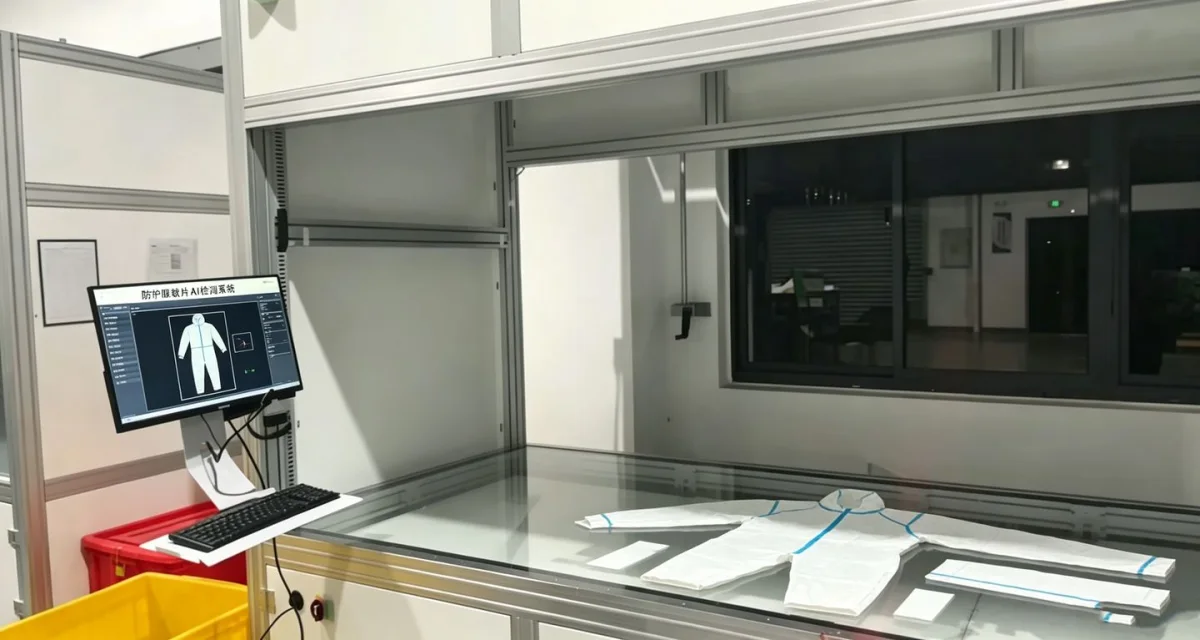
Protective clothing inspection: for damage, stains, poor stitching, foreign matter and coating defects on medical/industrial/specialty protective clothing cut pieces and fabric, inline imaging plus AI judgement according to protection requirements outputs OK/NG.
Application Overview
Integrity and cleanliness inspection of medical / industrial / special protective clothing
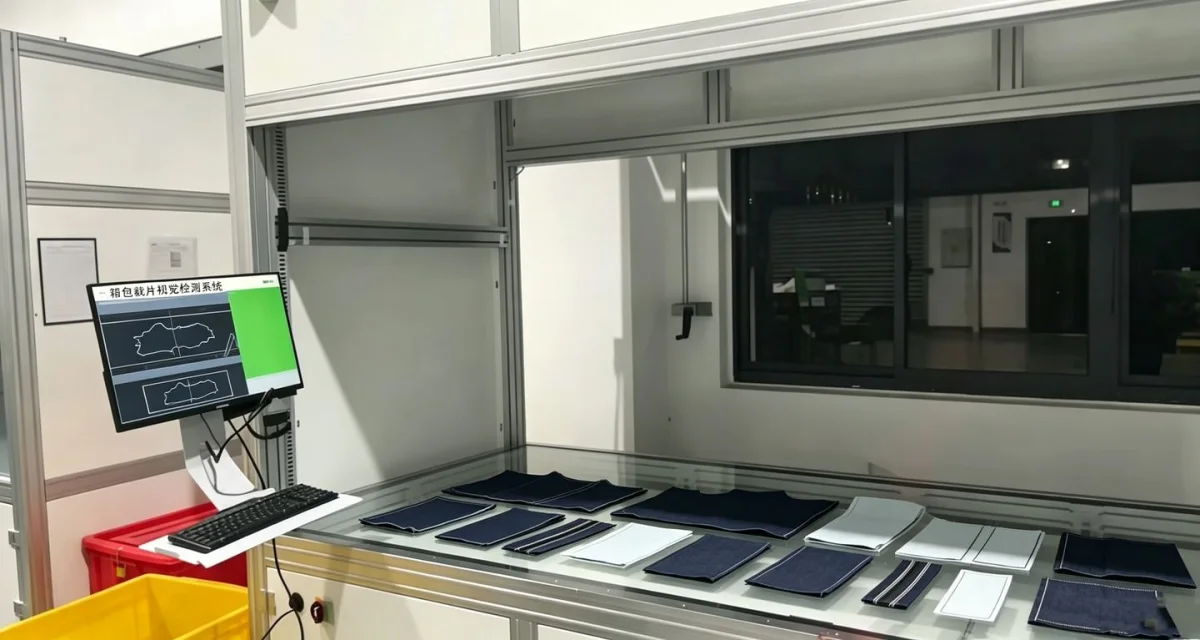
Inspects stains, damage, holes, stitch defects and foreign matter on protective clothing cut pieces / fabric; in-line imaging follows medical / industrial protection requirements, and AI judges defects and marks their positions.
Protective clothing (medical/industrial/specialty) demands high fabric integrity and cleanliness; holes, stains and stitching gaps directly weaken protective performance and are defects that must not flow into the next process step.
This station addresses the appearance of protective clothing cut pieces and fabric, focusing on damage, holes, stains, poor stitching and foreign matter; acceptance criteria are set according to the protection level requirement.
Inspection takes place after cutting or before sewing, imaging one piece at a time; specific criteria and algorithms are adjusted according to the protection type (medical / chemical / flame-retardant).
inspection Targets
What This Station Actually Has to Judge
| inspection item | Description |
|---|---|
| Damage / Hole | Holes, pinholes, tears |
| stain | Oil stains, discoloration, soiling |
| Stitch Defect | Skipped stitch, broken thread, uneven stitch pitch |
| foreign matter | Adhered Foreign Matter |
| Coating Defect | Coating mottling and missed coating |
| color difference | Differs from the standard sample |
| Dimension and Contour | Cut-piece contour out of tolerance |
Why Inspect
Problems with manual visual inspection at this step
Protective clothing has high requirements for fabric integrity and cleanliness; holes, stains and missed stitches directly weaken protective performance and are defects that must not pass to the next process step.
Acceptance criteria for the protection level are strict and must be traceable; manual visual inspection struggles to guarantee consistency and records in volume production.
- Holes and stains directly weaken protection
- Missed stitches must not pass on to the next process
- Protection level standards are strict
- Traceability records required
How Inspect
Stations and Inspection Chain
- 01 Loading and flattening cut pieces
- 02 Area-scan camera imaging
- 03 Backlight highlights holes
- 04 Diffused light stain inspection
- 05 Seam feature recognition
- 06 AI segmentation of coating defects
- 07 OK/NG output
- 08 Interlocking rejection/marking
- 09 Image and data archiving
How to Inspect
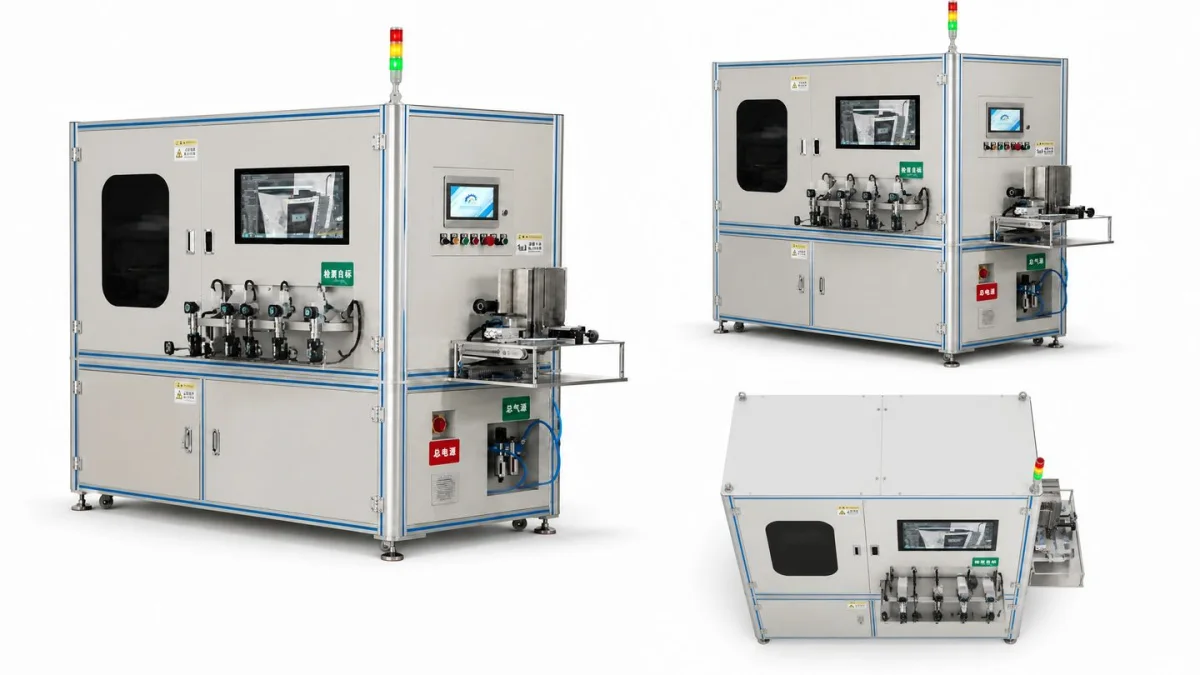
Protective clothing cut pieces are imaged with area-scan cameras plus combined backlight/diffuse illumination: holes are emphasized by backlight, stains are segmented under diffuse light, and stitching is recognized as a linear feature — integrity + cleanliness imaging.
inspection defect
| Defect Types | Typical Manifestations | Inspection Focus Points |
|---|---|---|
| damage | Holes, Tears | Backlight |
| stain | Oil Stains, Discoloration | Diffused Light |
| skipped stitch | Broken / Skipped Stitch | Line Feature Recognition |
| foreign matter | Adhered Particles | Segmentation |
| Uneven Coating | Mottling, Missed Coating | AI segmentation |
| color difference | Local Discoloration | Color Patch Comparison |
| Contour Anomaly | Cut Piece Out of Tolerance | Contour Comparison |
Applicable equipment
Application Industry
Common Question
What are the inspection priorities for protective clothing?
Can It Replace Manual Visual Inspection?
What Inspection Accuracy Can Be Achieved?
How Is Coated Protective Clothing Inspected?
Can Missed Stitches Be Identified?
Are results traceable?
Do I Need to Re-Tune When the Protection Type Changes?
Submit sample testing
Typical OK/NG protective clothing cut pieces can be sent for a measured trial: acceptance criteria and the imaging solution are determined by the protection level.
Submitted successfully
We have received your sample testing request. A solution engineer will contact you within 1 business day via contact you.
Need to assess imaging conditions, defect criteria and cycle time item by item? Go to the Full Requirement Assessment →
Can This Application Be Done? Sending a Sample for Testing Is the Most Direct Answer
Incoming material, part orientation and cycle time vary widely from factory to factory. Send us real samples and we will run imaging and judgement validation against your production line conditions, then give you a configuration proposal you can actually implement.