Microfiber Synthetic Leather AI Visual Inspection Equipment
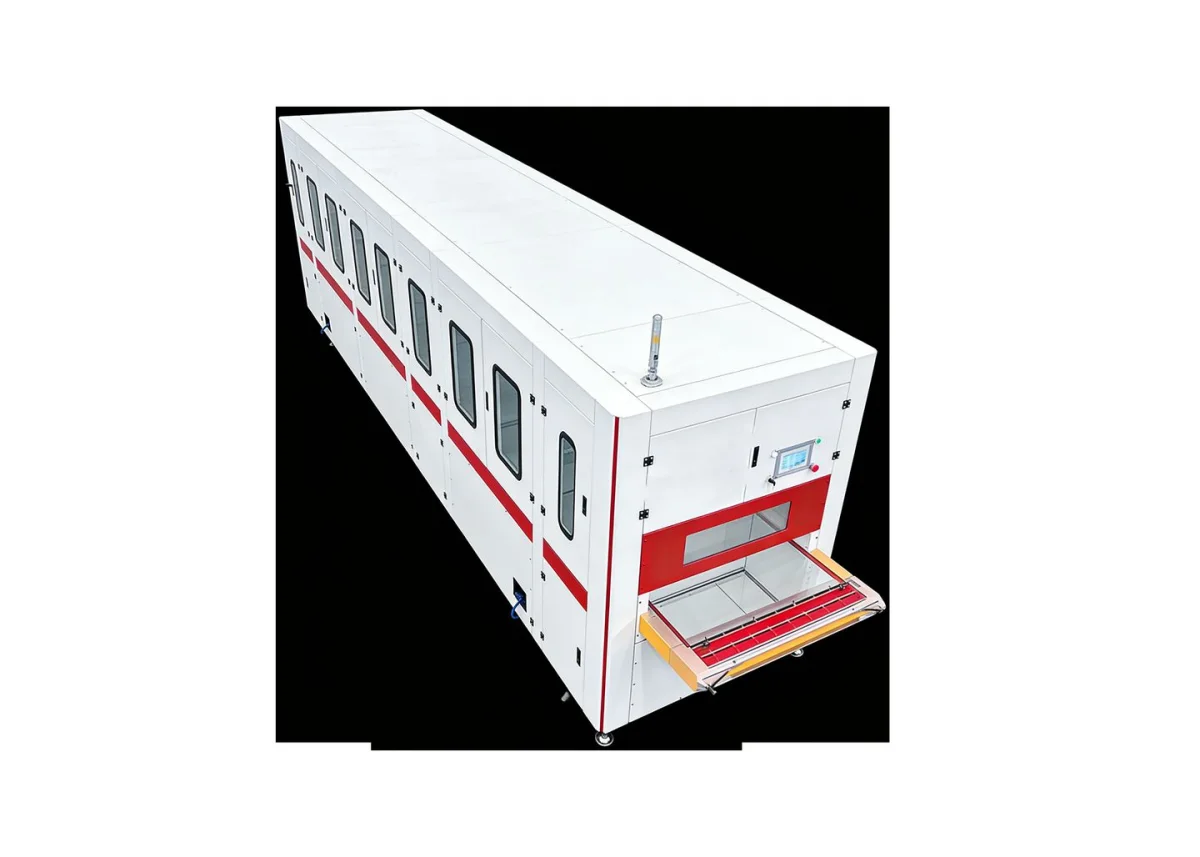
Microfiber synthetic leather AI visual inspection equipment targets imitation leather made of microfiber base fabric + polyurethane, performing inline inspection of white spots, uneven dyeing, cell holes, scuffing, delamination, unclear embossing and other defects, with OK/NG output and production line interlocking.
Materials Overview
Microfiber base fabric creates a napped texture, making defects easy to confuse with the texture
Microfiber synthetic leather AI visual inspection equipment images imitation leather made of microfiber base fabric laminated with polyurethane. The algorithm identifies defects such as exposed base fabric, uneven dyeing, abnormal cells, scratches, delamination and unclear embossing, outputs an OK/NG result and interlocks with the production line.
Microfiber synthetic leather uses ultrafine fibers as the base fabric and is then impregnated and coated with polyurethane; its surface has a nap and suede feel similar to genuine leather, making it more "leather-like" than ordinary PU leather. But precisely because the base fabric is a bundle of fibers, the surface texture is random, and defects (white strike-through, cells, uneven dyeing) are easily confused with the normal nap.
Common specific defects include: base fabric show-through, uneven dyeing / coloring, inconsistent cell size, resin scratches, delamination, and unclear embossing. Most of them present as a "matter of degree" rather than a "matter of presence/absence", and require grading rather than a binary judgement.
Microfiber leather is mostly used in mid-to-high-end applications such as automotive interiors, footwear materials, and bags and luggage, where appearance consistency requirements are high. For inspection, AI segmentation is usually used to separate abnormal regions from the suede-like background, and grading is then based on area and contrast.
Applicable Type
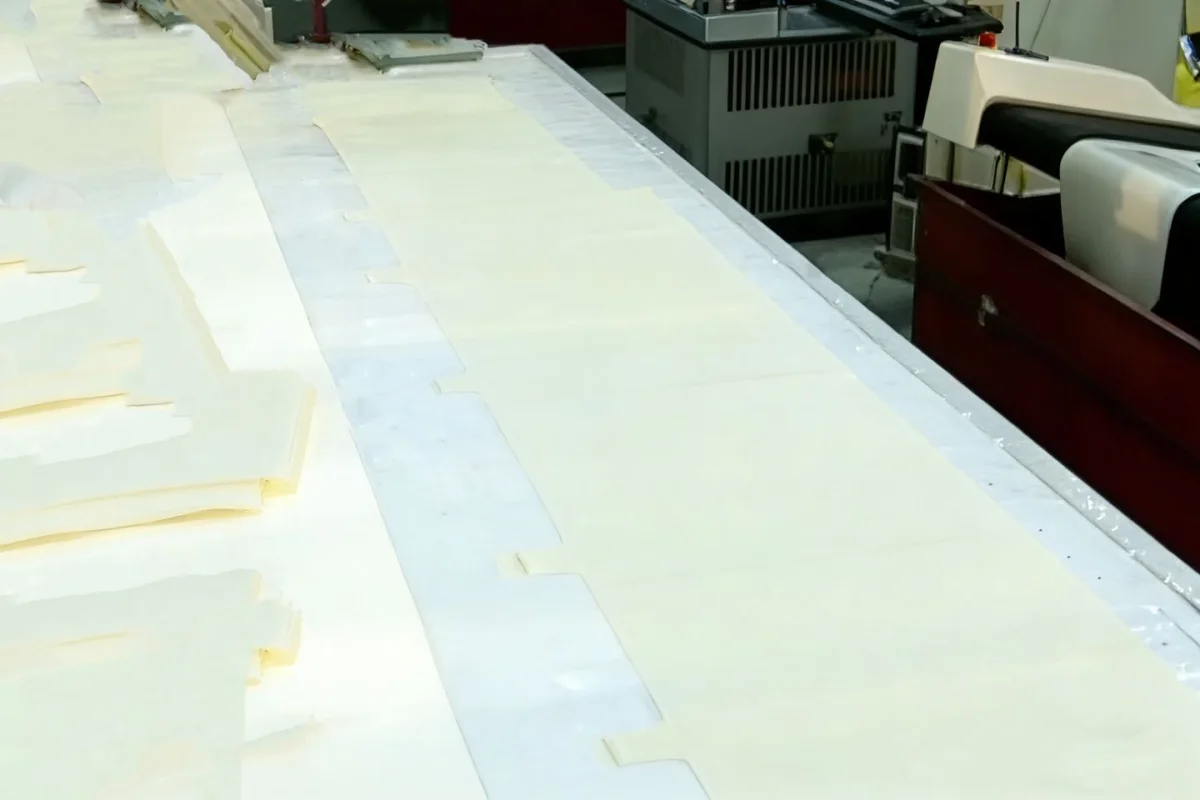
Sueded Microfiber Leather
Suede-like surface, with the focus on white show-through and uneven dyeing
Smooth Microfiber Leather
Coated surface, with a focus on scratches and delamination
Base Fabric
Microfiber layer, focusing on impregnation and show-through
Microfiber Leather Roll Stock
Continuous material feed, line-scan full-width inspection
Microfiber Leather Cut Pieces
Inspect piece by piece and locate defects
Common defect
| Defect Types | Typical Manifestations | Inspection Focus Points |
|---|---|---|
| Base Fabric Show-Through | Base fabric fibers show through the surface | Low contrast against the napped background |
| Uneven dyeing / coloring | Uneven shade across the same piece | Stable light source and color datum |
| Abnormal Foam Cells | Uneven cell size / distribution | Requires a model of normal foam cells |
| Resin Scratches | Linear surface damage | Finish coat reflections must be suppressed |
| Delamination | Interlayer separation, bulging | Watch edges and bubbles |
| Unclear Embossing | Shallow or missing pattern | Compared against the datum pattern |
| Stain / Foreign Matter | Oil Stains, Particles | Distinguished from fiber nap |
| color difference | Inconsistency Within Batch | Stable light source and white balance |
inspection Workflow
Complete chain from loading to judgment
- 01 Microfiber leather loading / roll unwinding or cut-piece feeding
- 02 Flattening and tension control
- 03 Triggered imaging (suppresses glare)
- 04 Locating datum and region segmentation
- 05 Fuzz background modeling
- 06 Abnormal region segmentation and grading
- 07 Defect classification output
- 08 Synthesized OK / NG
- 09 Marking / rejection and image archiving
AI Inspection Principles
AI Visual Inspection Principles
The core of microfiber synthetic leather inspection is "separating anomalies from the nap background". The algorithm first learns the statistical features of the normal microfiber texture, then judges deviating areas such as exposed white, uneven dyeing, and abnormal cell structure as defects and grades them. The difficulty is still imaging: the fiber nap itself is a high-noise background, and reflection and illumination must be carefully suppressed.
For illumination, diffuse light provides uniform lighting and reveals dyeing and exposed white areas, while low-angle light exposes scratches and embossing relief. Suppressing reflection on coated glossy microfiber is similar to ordinary PU and requires stripe / coaxial light.
For judgement, we recommend setting multi-level thresholds by "degree", because most microfiber defects are a matter of degree. The specific grading criteria need to be confirmed by measured testing with OK / NG samples and the acceptance specification.
Applicable Industry
Applicable equipment
Common Question
How Do You Distinguish White Show-Through on Microfiber Leather from Normal Nap?
Can uneven dyeing be judged automatically?
Can Internal Delamination Be Detected?
Is Inspecting Microfiber Leather Very Different from PU Leather?
What is the inspection accuracy?
What samples are needed to develop a solution?
Can It Be Integrated Into an Existing Production Line?
Submit sample testing
Send us OK and NG samples of different types of microfiber leather such as suede and smooth finishes, and we will carry out nap-texture background modeling and measured defect testing to recommend an illumination solution and grading.
Submitted successfully
We have received your sample testing request. A solution engineer will contact you within 1 business day via contact you.
Need to assess imaging conditions, defect criteria and cycle time item by item? Go to the Full Requirement Assessment →
Send Us Your Material and We Will Show You the Measured Results
Provide several OK and NG samples of the material, and a solution engineer will run actual imaging and judgement tests on the equipment to give a workable inspection configuration recommendation, rather than reading the datasheet alone.