Bags, Luggage and Handbag Leather Inspection
Bags and handbags leather inspection: for genuine leather, PU and microfiber leather in bags and handbags, inline imaging + AI judgement of stains, scratches, wrinkles, color difference, damage and grain consistency, outputting OK/NG.
Application Overview
Stain, scratch and color difference inspection of leather for bags and handbags
Inspection of stains, scratches, wrinkles, color difference, damage and grain consistency on the surface of bags and luggage / handbag leather (genuine leather / PU / microfiber); inline imaging plus AI judges defects and marks their positions.
Bags and handbags are large-area leather cut pieces and wrapped parts; natural leather grain varies widely, and stains, scratches and color differences have low contrast on two-tone or embossed leather, making manual visual inspection standards hard to unify.
This station covers leather cut pieces and laminated appearance for bags and luggage, focusing on stains, scratches, wrinkles, color difference, and damage; leather grain consistency is also compared.
Inspection is at the post-cutting or post-lamination process step, imaging per piece or per zone; illumination and algorithms are adjusted by leather type (genuine leather / PU / microfiber / embossed).
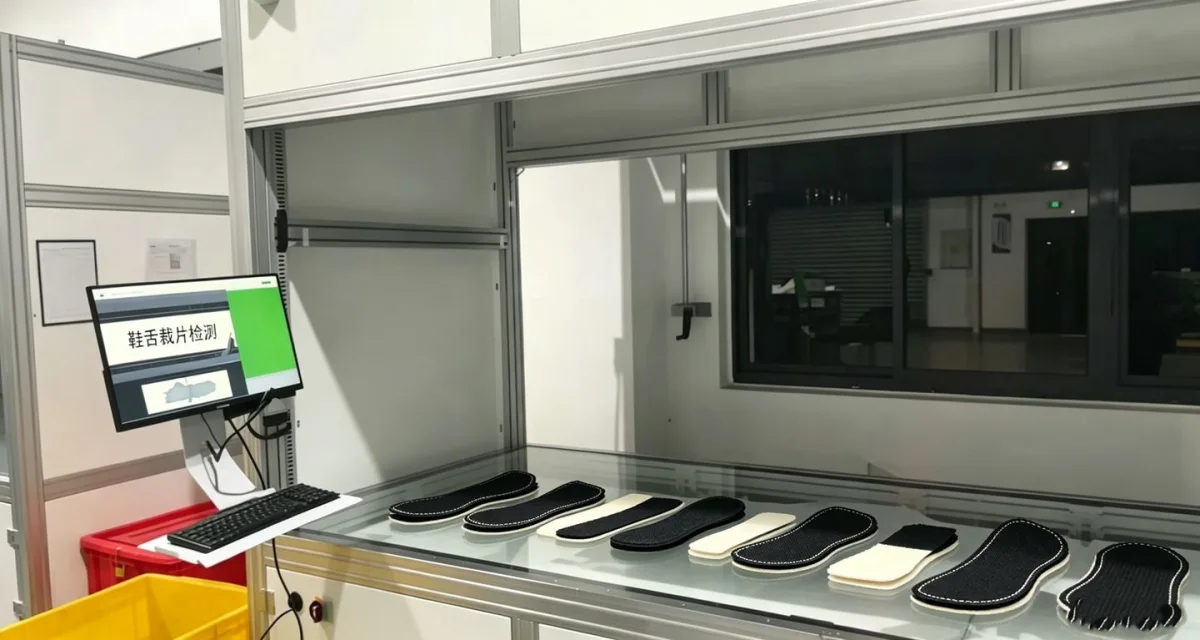
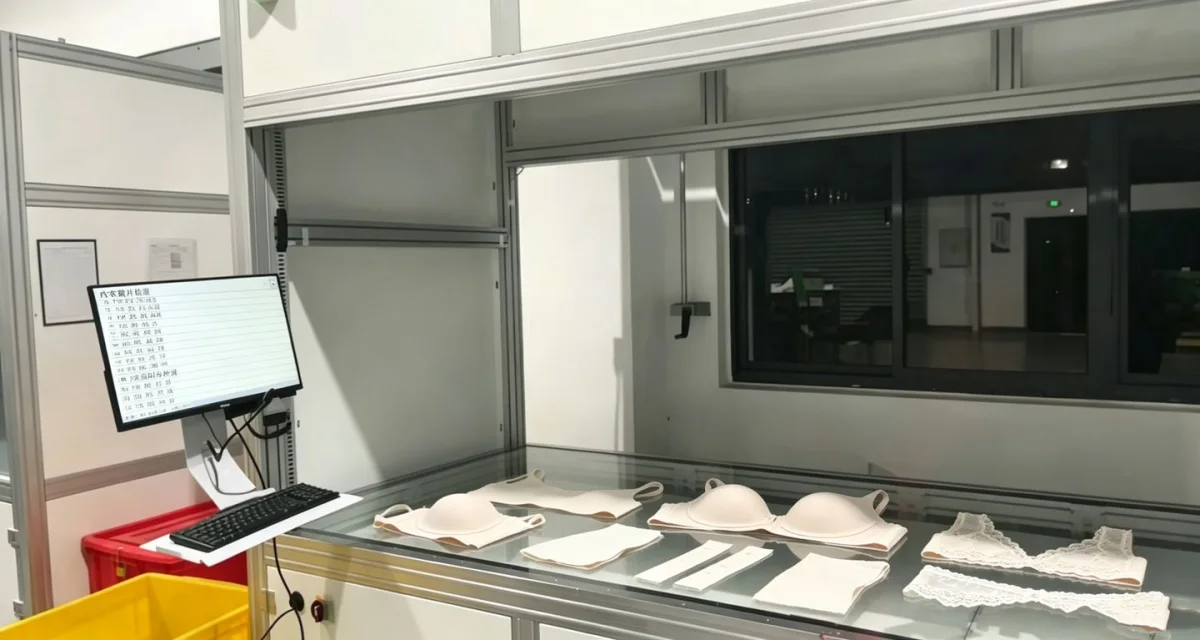
inspection Targets
What This Station Actually Has to Judge
| inspection item | Description |
|---|---|
| stain | Oil stains, fingerprints, discoloration |
| scratch | Surface Scuff |
| Wrinkle / Indentation | Leather creases, indentations |
| color difference | Differs from the standard sample |
| Damage / Hole | Holes, Pinholes |
| Leather Grain Consistency | Grain Anomaly |
| Wrapping Delamination | Lamination Defect |
Why Inspect
Problems with manual visual inspection at this step
Bags and luggage leather varies widely in natural grain, and stains and scratches on embossed and two-tone leather have low contrast, making manual visual standards hard to unify and missed judgements likely in mass production.
Grain consistency affects the appearance of the whole batch and requires grain comparison rather than single-point judgement, which places high demands on algorithm coverage.
- Natural leather grain varies widely
- Low contrast on embossed / two-tone leather
- Leather grain consistency requires comparison
- Manual labour standards are hard to unify
How Inspect
Stations and Inspection Chain
- 01 Loading and flattening leather
- 02 Area-scan camera imaging
- 03 Low-angle light highlights scratches
- 04 Diffused light stain inspection
- 05 Color patch comparison for color difference
- 06 AI leather grain classification
- 07 Outputs OK/NG at the marked position
- 08 Interlocking rejection/sorting
- 09 Image and data archiving
How to Inspect
For leather, an area scan camera with combined low-angle / diffuse illumination is used: scratches are highlighted by low-angle light, stains are segmented using diffuse light, and leather grain consistency is compared by AI classification; this is imaging that combines texture and surface.
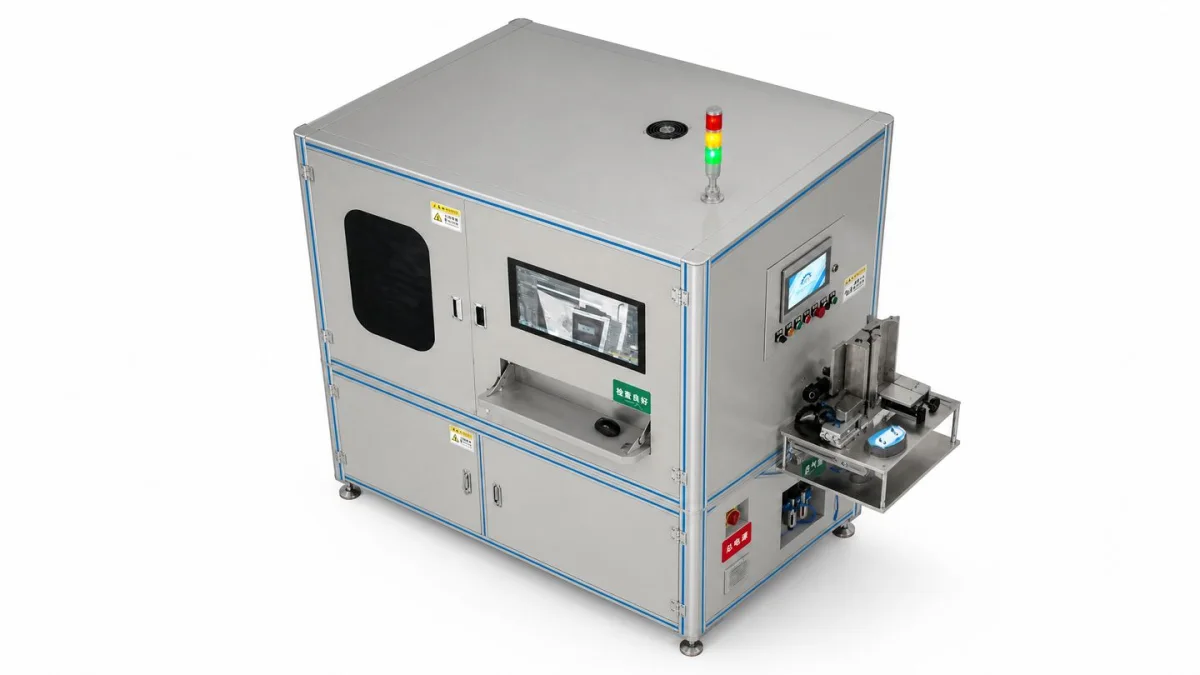
inspection defect
| Defect Types | Typical Manifestations | Inspection Focus Points |
|---|---|---|
| stain | Oil Stains, Discoloration | Diffused-light Segmentation |
| scratch | Abrasion | Low-Angle Light |
| wrinkle | Indentation, Wrinkle | Low-Angle Light |
| color difference | Local Discoloration | Color Patch Comparison |
| damage | hole | Backlight |
| Leather Grain Anomaly | Inconsistent Grain | AI classification |
| Layer separation | Lamination Bubble | Multi-angle |
Applicable equipment
Application Industry
Common Question
What Does Bag and Luggage Leather Inspection Check?
Can it replace manual labor?
What Is the Approximate Equipment Price?
Can Genuine Leather and PU Share the Same System?
How is color difference judged?
Are results traceable?
Does Switching Leather Material Require Retuning?
Submit sample testing
Typical OK/NG bag leather samples can be sent for a measured trial: illumination and classification model solutions are determined by the leather type.
Submitted successfully
We have received your sample testing request. A solution engineer will contact you within 1 business day via contact you.
Need to assess imaging conditions, defect criteria and cycle time item by item? Go to the Full Requirement Assessment →
Can This Application Be Done? Sending a Sample for Testing Is the Most Direct Answer
Incoming material, part orientation and cycle time vary widely from factory to factory. Send us real samples and we will run imaging and judgement validation against your production line conditions, then give you a configuration proposal you can actually implement.