PU Synthetic Leather AI Visual Inspection Equipment
AI visual inspection equipment for PU synthetic leather: inline inspection of coated PU leather surfaces for pinholes, poor leveling, orange peel, cracking, delamination, color difference and other defects, with OK/NG output and line-linked rejection.
Materials Overview
The surface is more uniform, but coating defects and high reflection are the key points
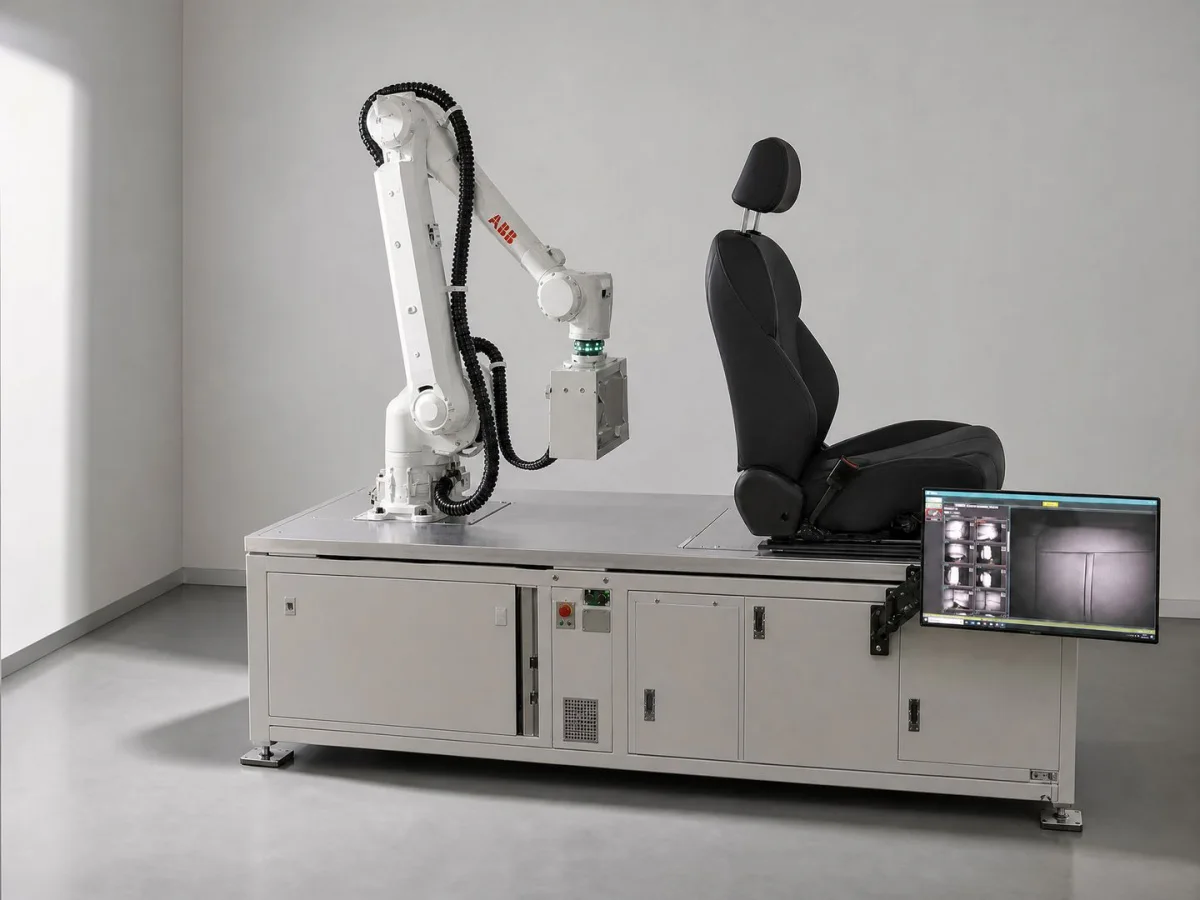
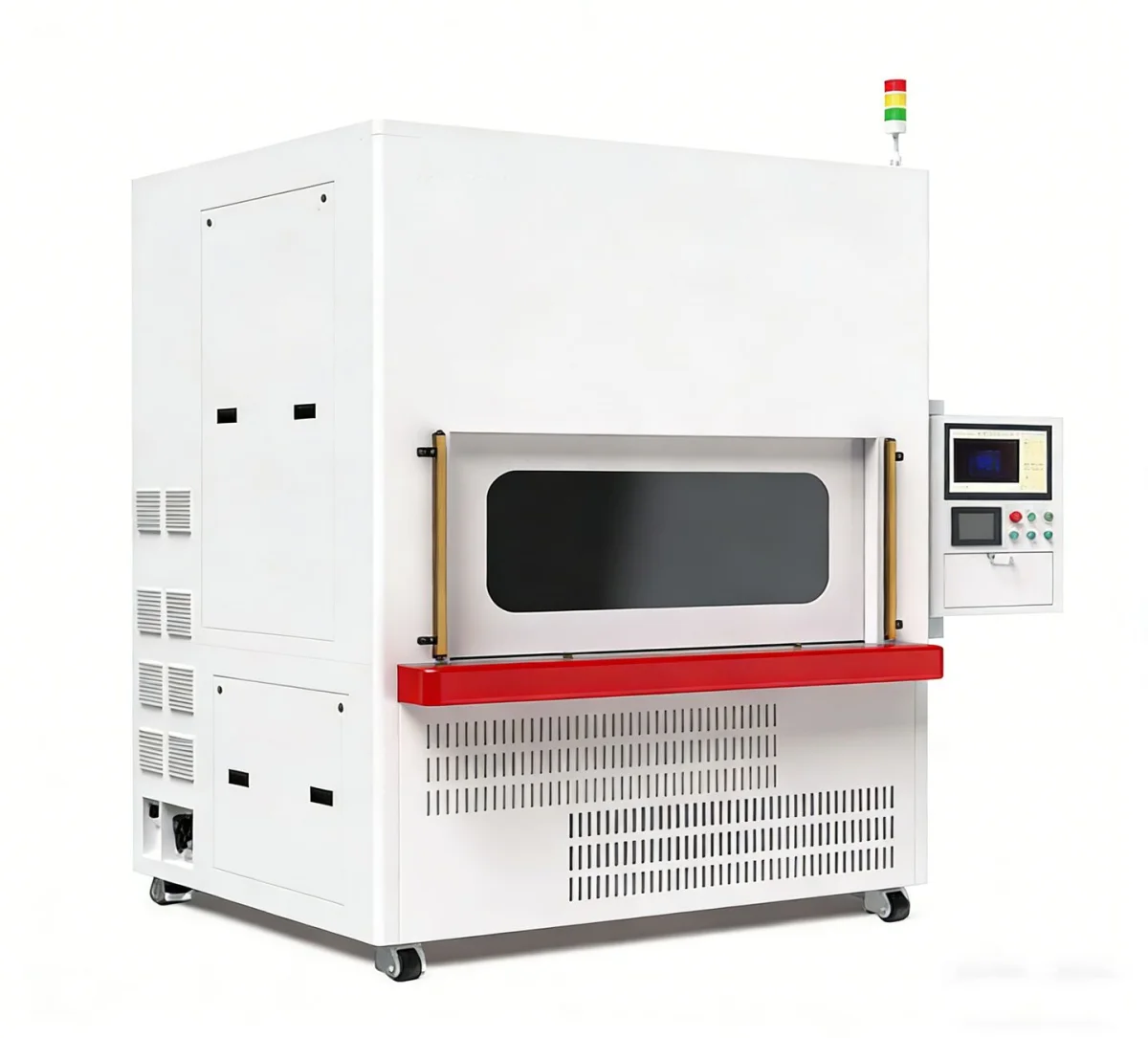
PU synthetic leather AI visual inspection equipment images the surface of coated PU leather; the algorithm identifies defects such as pinholes, poor leveling, orange peel, cracking, delamination, color difference, and scratches, outputs OK/NG results, and interlocks with the production line. It is suitable for both roll and cut-piece forms.
PU synthetic leather is a polymer surface formed by coating polyurethane onto a base fabric. It is more uniform overall than genuine leather, but the coating process itself introduces specific defects: pinholes, poor leveling, orange peel, cracking, delamination and show-through. These defects have nothing to do with "natural unevenness of the material" and are a matter of process stability.
PU leather surfaces are usually glossy, and the strong reflection swallows the detail of scratches and relief, which is the main interference in inspection. Diffused light or fringe light is commonly used in the illumination setup to suppress reflection, and low-angle light is then used to make micro-relief such as orange peel, pinholes and cracking form a clear image.
Embossed PU leather needs extra attention to embossing consistency — uneven grain depth, missing embossing and pattern misalignment; these defects require building the normal embossed texture as the datum and then comparing the offset.
Applicable Type
Smooth PU Leather
Highly reflective surfaces; the focus is on suppressing reflection and checking scratches and pinholes
Embossed PU Leather
Patterned surfaces, with focus on embossing consistency and pattern misalignment
Wet-Process / Dry-Process PU
Processes differ, so coating thickness and defect morphology differ
PU Leather Roll Stock
Continuous material feed, suitable for line-scan full-width inspection
PU Leather Cut Pieces
Already cut, inspected piece by piece with defect locating
Common defect
| Defect Types | Typical Manifestations | Inspection Focus Points |
|---|---|---|
| Pinholes | Microscopic pinholes in the coating | Transmitted light or low-angle light forms a clear image |
| Poor Leveling | Surface waviness, material buildup | Watch for gloss uniformity |
| Orange peel | Orange-peel surface undulation | Low-angle light highlights micro-topography |
| Crazing / Cracking | Coating Cracking | Check bends and corners with priority |
| Separation / Delamination | Coating separates from base fabric | Watch edges and bubbles |
| Color Difference / Show-Through | Inconsistent shade in the same batch, base color showing through | Stable light source and color datum |
| Scratches | Linear Abrasion | Surface reflections must be suppressed |
| Missing / misaligned embossing | Unclear pattern or pattern registration offset | Compared against the datum embossing |
inspection Workflow
Complete chain from loading to judgment
- 01 PU leather loading / roll unwinding or cut-piece infeed
- 02 Flattening and tension control
- 03 Triggered imaging (reflection-suppressing illumination)
- 04 Locating datum and region segmentation
- 05 Surface defect segmentation
- 06 Emboss consistency comparison (embossed leather)
- 07 Defect classification and grading
- 08 Synthesized OK / NG
- 09 Marking / rejection and image archiving
AI Inspection Principles
AI Visual Inspection Principles
The key to PU leather inspection is "suppress reflection first, then look for morphology". With stable low-reflection imaging, the algorithm uses texture and morphology features to distinguish micro defects such as pinholes, orange peel and cracking; for embossed leather, a baseline pattern is built first and deviations are then compared. Imaging conditions (reflection suppression) often determine the ceiling more than the algorithm does.
For illumination, diffuse light or coaxial / stripe light suppresses specular reflection from the PU surface; low-angle light reveals micro-relief such as orange peel, pinholes and cracking. The higher the gloss, the more critical reflection suppression becomes.
For judgement, set separate sensitivities for process defects (pinholes, delamination) and appearance defects (color difference, scratches) to balance escapes and over-rejections. Specific thresholds must be confirmed by measurement with OK / NG samples.
Applicable Industry
Applicable equipment
Common Question
PU leather surfaces are highly reflective — can scratches be seen clearly?
Can pattern register errors on embossed PU leather be detected?
Can delamination under the coating be detected?
Can It Inspect Both Rolls and Cut Pieces?
What is the inspection accuracy?
What samples are needed to develop a solution?
Can It Be Integrated Into an Existing Production Line?
Submit sample testing
Send us OK and NG samples of different PU leather types such as smooth and embossed, and we will run reflection suppression and defect measurements and provide illumination plan and judgement configuration recommendations.
Submitted successfully
We have received your sample testing request. A solution engineer will contact you within 1 business day via contact you.
Need to assess imaging conditions, defect criteria and cycle time item by item? Go to the Full Requirement Assessment →
Send Us Your Material and We Will Show You the Measured Results
Provide several OK and NG samples of the material, and a solution engineer will run actual imaging and judgement tests on the equipment to give a workable inspection configuration recommendation, rather than reading the datasheet alone.