Vision-Guided Picking and Flexible Feeding
Based on 2D/3D vision-guided robots, it enables flexible picking and feeding of randomly oriented parts, from dumping incoming material, vision photographing and positioning, path planning and robot picking to pose correction and line loading, replacing vibratory bowls and manual sorting for feeding.
Solution Overview
Vision-guided robots for flexible picking and feeding of randomly oriented parts
Vision-guided picking and flexible feeding are based on vision-guided robots to achieve flexible picking and loading of randomly oriented parts, covering 6 steps: "incoming material pouring — vision image capture and positioning — path planning — robot picking — posture correction — line loading". Two vision types are available, 2D and 3D: 2D vision captures images of parts spread on a plane, positions them and picks them by coordinates, suitable for flat parts and parts with some directional regularity; 3D vision performs three-dimensional recognition of stacked, randomly oriented parts and plans the picking path and angle, suitable for parts stacked without any regular arrangement, used to replace manual sorting and vibratory bowl feeding.
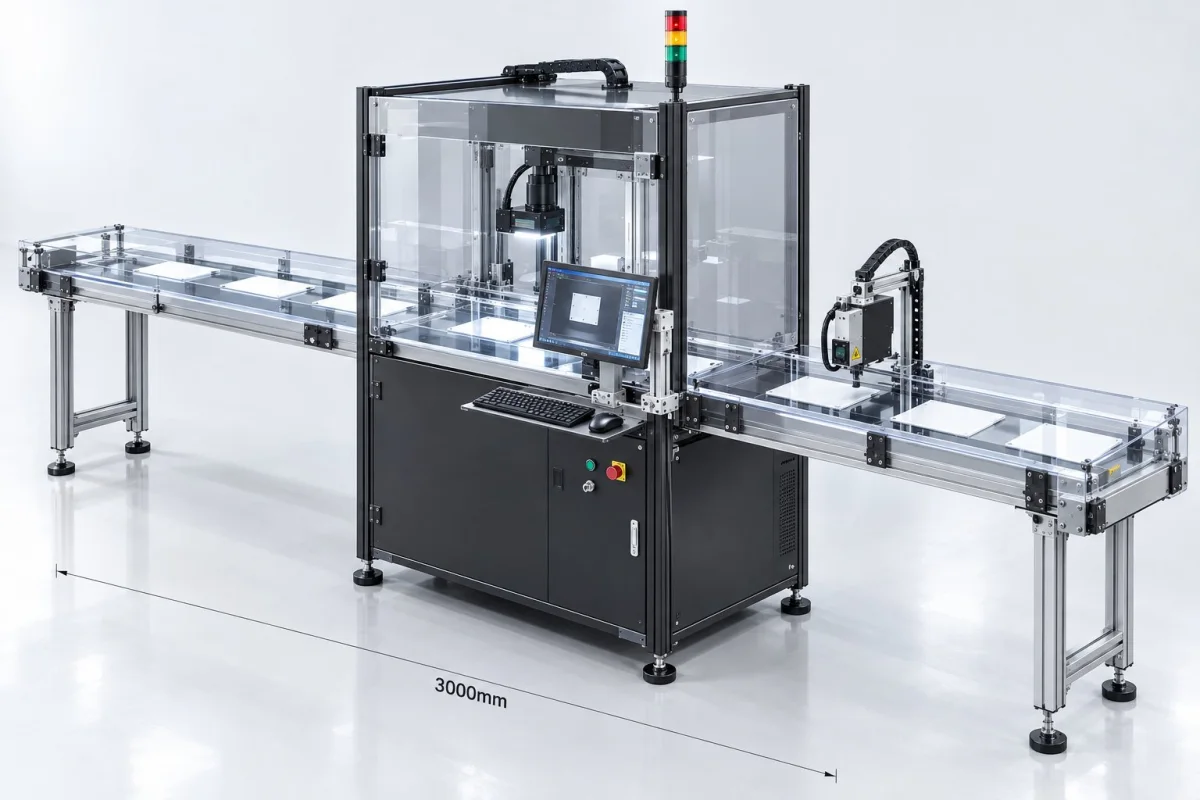
Based on 2D/3D vision-guided robots, it achieves flexible picking and feeding of bulk parts, replacing vibratory bowls and manual sorting and loading.
The complete process is: Bulk material dumping → Vision-based photo positioning → Path planning → Robot picking → Pose correction → Line loading; the vision form and picking strategy are configured to part shape and cycle time.
Solution configuration
Four Modules Combined by Workpiece and Cycle Time, Available as Options
vision system
- 2D Vision Positioning Capture
- 3D vision recognition of randomly stacked parts
- Selection by part geometry
- Adaptive vision algorithm
Feeding Mechanism
- Poured in from a tray or hopper
- Vibration or flipping to level the parts
- Short shot detection and replenishment
- Can integrate with material bins
Robot Picking
- Robot picks according to vision coordinates
- Flexible fixture or suction cup
- Path planning with collision avoidance
- Pose-Corrected Loading
Conveyor Line Transport
- Placement onto the line after picking
- Conveyed by line to the machining position
- Can Integrate with Downstream Process Steps
- Cycle Time Matched to the Production Line
process Workflow
One-Touch Flexible Feeding of Random Parts, from Dumping to Loading
- 01 Incoming Material Poured In
- 02 Vision Capture Positioning
- 03 Path Planning
- 04 Robot Picking
- 05 Pose Correction
- 06 Line Loading
Critical Stages
2D and 3D Vision Each Suit Different Parts
2D Vision Positioning Picking
2D vision photographs and locates parts scattered on a plane, and the robot picks them by coordinates; suitable for flat parts and parts with a certain directional regularity.
- 2D vision captures images to locate part coordinates
- Robot picks precisely according to the coordinates
- Suitable for flat and regular parts
- Model changeover only requires switching the vision program
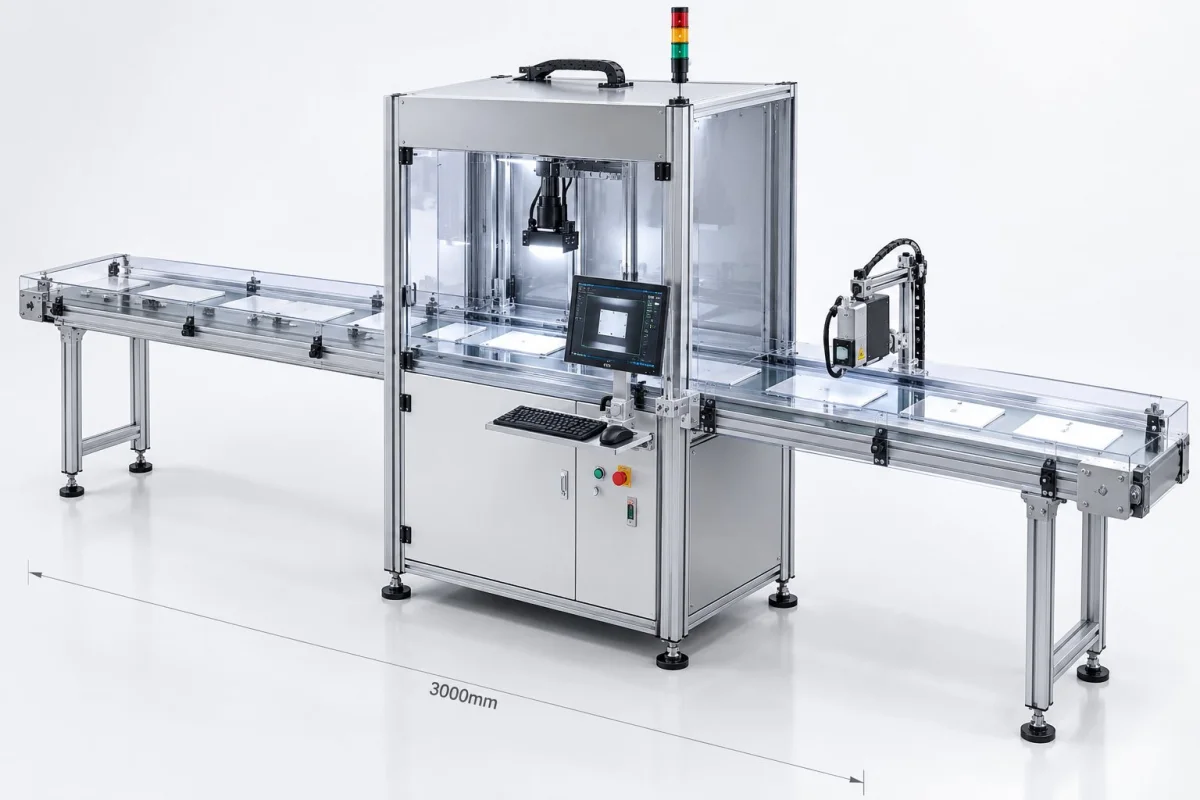
3D Vision Picking of Randomly Stacked Parts
3D vision performs three-dimensional recognition of stacked bulk parts, plans the picking path and angle, and suits parts that are stacked without a fixed pattern.
- 3D vision recognizes randomly piled parts
- Plans the picking path and angle
- Suitable for randomly stacked parts
- Replaces manual sorting and vibratory bowl feeders
Applicable workpiece
Handles loose parts in many shapes and specifications
- 2D or 3D visual positioning
- Suction cup or electromagnetic gripper
- High-volume flexible feeding
- Can Integrate with Assembly Lines
- 3D Vision Picking of Randomly Stacked Parts
- Dedicated Flexible Fixtures
- Prevent tangling and jamming
- Can Integrate with Assembly Lines
- Primarily 2D Vision Positioning
- Suction cup or pneumatic gripper
- High-volume flexible feeding
- Can Integrate with Welding Lines
- 2D or 3D visual positioning
- Suction cup or flexible fixture
- Medium-Volume Feeding
- Can Integrate with Assembly Lines
Delivery and After-sales
Follow-through from requirement confirmation to trial production acceptance
- 01 Requirement confirmation and site survey
- 02 Solution design and simulation
- 03 Equipment manufacturing and procurement
- 04 Integration, installation and commissioning
- 05 Trial production and process optimization
- 06 Acceptance and Delivery
- 07 After-sales service and follow-up visits
Remote technical support and regular follow-up visits are provided after delivery; repairs for non-human-caused damage are free of charge within the warranty period, and paid maintenance and upgrade services are provided after the warranty expires.
Common Question
Common Questions About Vision-Guided Picking and Flexible Feeding
What parts are 2D and 3D vision each suited for?
2D Vision Parts spread on a plane are photographed and located, and the robot picks them by coordinate; this suits flat parts and parts with a certain directional regularity, and a model changeover only requires switching the vision program; 3D Vision Performs 3D recognition of stacked, randomly oriented parts and plans the picking path and angle; suitable for parts stored without a fixed arrangement.
What does this solution replace?
The solution is positioned as a replacement Manual sorting and vibratory bowl feeding, enabling flexible picking and feeding of randomly oriented parts.
Which Parts Is It Applicable To?
4 applicable part types: Screws / Bolts (fasteners), spring (elastic element type), Stamped Parts (stamped parts), Injection Molded Parts (injection-molded parts).
What determines the picking configuration?
Along 3 picking configuration dimensions: part form, material and cycle time. Flexible grippers or suction cups can be used at the end effector, with path planning for collision avoidance and attitude correction during loading.
How should the feeding mechanism be configured?
Material is poured in from trays or hoppers, evenly distributed by vibration or flipping, with material shortage detection and replenishment, and can be integrated with a material bin. After picking, parts are placed on the line, which conveys them to the machining position, with cycle time matched to the production line.
Submit Samples and Requirements
Send us the workpiece drawing, machining equipment, current cycle time and site conditions, and our solution engineers will recommend the material bin type, picking method and inspection configuration.
Submitted successfully
We have received your sample testing request. A solution engineer will contact you within 1 business day via contact you.
Need to assess imaging conditions, defect criteria and cycle time item by item? Go to the Full Requirement Assessment →
Configured to Your Workpieces and Cycle Time
Send us the workpiece drawing, machine tool equipment and production cycle time, and our solution engineers will recommend the corresponding material bin type, picking method and inspection configuration.