Tactical and Military Garment Cut-Piece Inspection
Tactical military apparel cut-piece inspection: for stains, damage, holes, pattern misalignment and stitching on camouflage/flame-retardant/wear-resistant tactical cut pieces, imaging plus AI segmentation according to military appearance requirements outputs OK/NG.
Application Overview
Military-Standard Appearance Inspection for Camouflage Tactical Cut Pieces
It inspects stains, damage, holes, pattern misalignment and stitching on tactical / military garment cut pieces (camouflage, flame-retardant and abrasion-resistant fabrics); imaging follows military specification appearance requirements, and AI judges the defects and marks them.
Tactical/military garment cut pieces are mostly camouflage, flame-retardant and high-strength fabrics with complex patterns and low contrast, where damage and pattern misalignment are hard to find by visual inspection against the print. These parts demand high appearance consistency.
This station addresses the appearance of tactical garment cut pieces, focusing on stains, damage, holes, camouflage pattern misalignment, color difference and stitching; acceptance criteria are set according to military specification / protection level requirements.
Inspection takes place after cutting, imaging one piece at a time; under camouflage patterns defects are identified by AI segmentation, with the specific model trained on the fabric pattern.
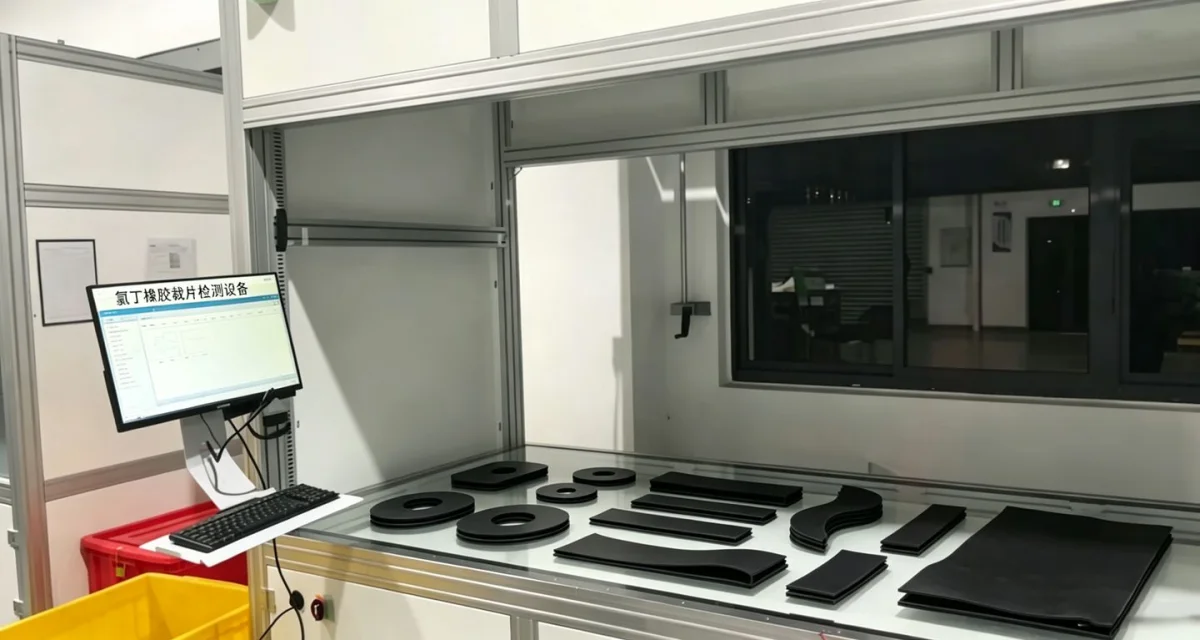
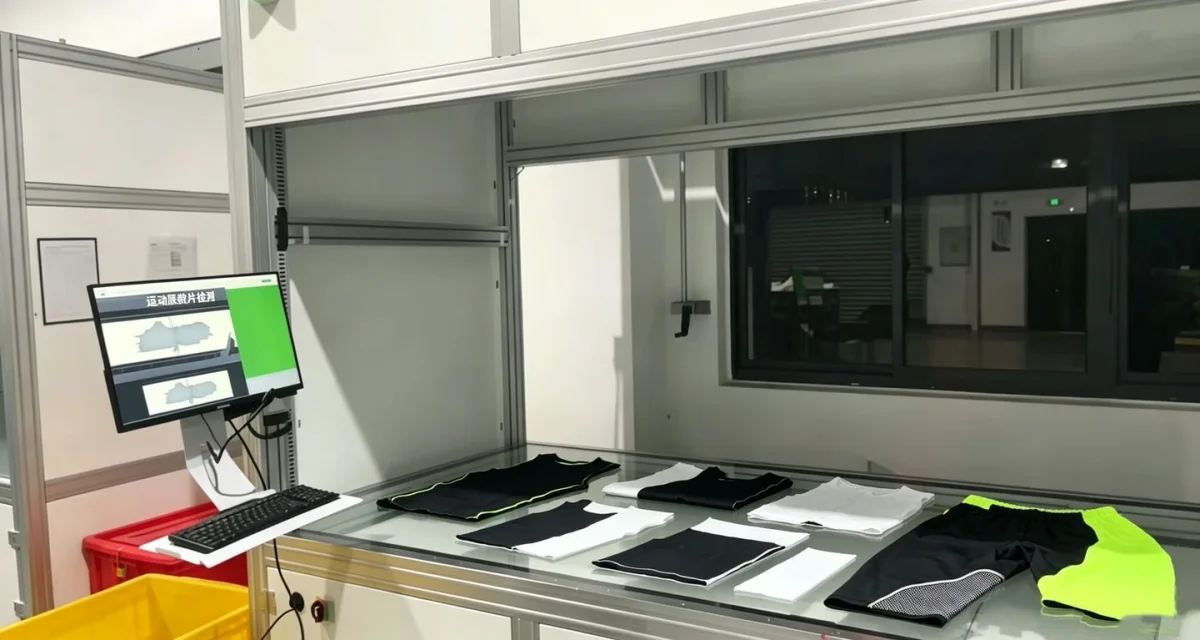
inspection Targets
What This Station Actually Has to Judge
| inspection item | Description |
|---|---|
| stain | Oil Stains, Discoloration |
| Damage / Hole | Holes, Tears |
| Pattern Registration Misalignment | Camouflage pattern offset |
| color difference | Differs from the standard sample |
| Stitch Defect | Skipped Stitch, Thread Break |
| foreign matter | Adhered Particles |
| Dimension and Contour | Cut Piece Out of Tolerance |
Why Inspect
Problems with manual visual inspection at this step
Tactical cut pieces are mostly high-contrast patterned fabrics such as camouflage, where damage and pattern misalignment are hard to catch by eye against the pattern background; AI segmentation is the main way to distinguish defects from normal pattern elements.
Military specifications demand high appearance consistency, and cut piece volumes are large, making manual visual standards hard to unify and prone to escapes.
- Defects on camouflage backgrounds are hard to inspect visually
- Registration offset affects appearance consistency
- Military standards must be unified
- Mass production volumes make manual labour prone to misses
How Inspect
Stations and Inspection Chain
- 01 Loading and flattening cut pieces
- 02 Area-scan camera images the pattern
- 03 Use the standard pattern as reference
- 04 AI defect segmentation
- 05 Print registration template matching
- 06 Seam feature recognition
- 07 OK/NG output
- 08 Interlocking rejection/marking
- 09 Image and data archiving
How to Inspect
For camouflage tactical cut pieces, an area scan camera is used with the standard pattern as a reference; AI segmentation identifies damage and low-contrast stains against the patterned background, and template matching is used for pattern alignment; this is texture segmentation imaging.
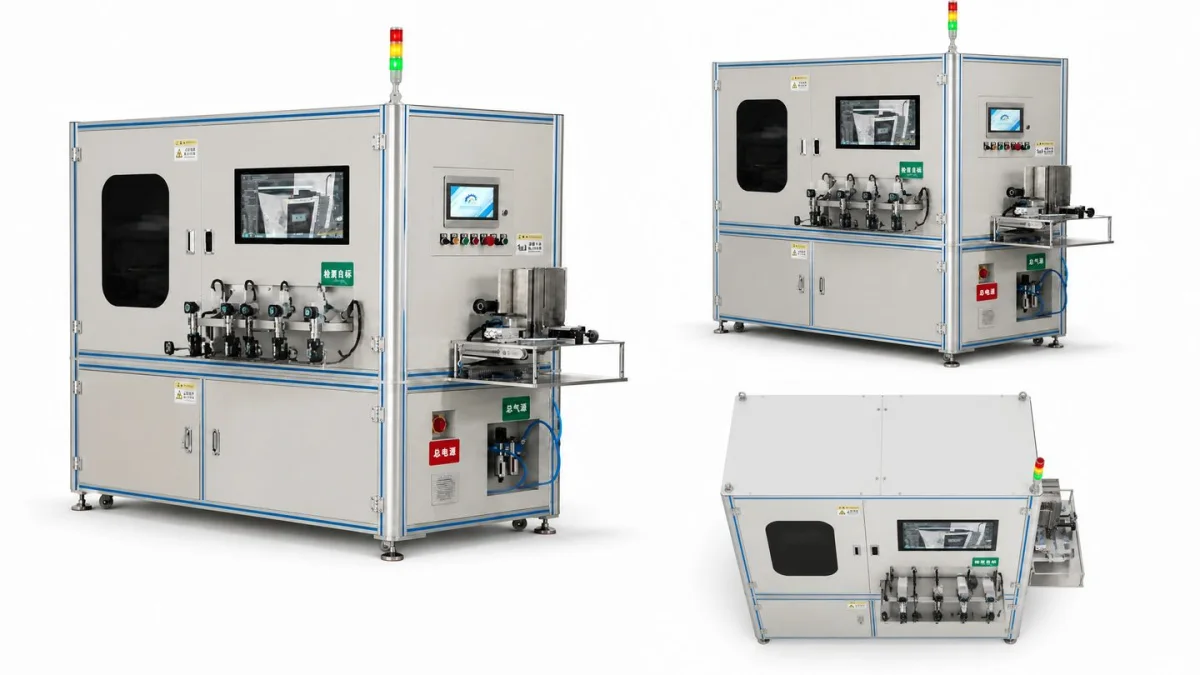
inspection defect
| Defect Types | Typical Manifestations | Inspection Focus Points |
|---|---|---|
| stain | Oil Stains, Discoloration | Diffused Light |
| damage | hole | Backlight |
| Pattern Registration Misalignment | Pattern Offset | template matching |
| color difference | Local Discoloration | Color Patch Comparison |
| skipped stitch | Broken / Skipped Stitch | Line Feature Recognition |
| foreign matter | Particles | Segmentation |
| Contour Anomaly | Cut Piece Out of Tolerance | Contour Comparison |
Applicable equipment
Application Industry
Common Question
What are the challenges in tactical cut-piece inspection?
Can it replace manual labor?
What Inspection Accuracy Can Be Achieved?
How Is Pattern Registration Inspected on Camouflage?
Can different camouflage patterns share one setup?
Are results traceable?
Does Changing the Fabric Require Retuning?
Submit sample testing
Typical OK/NG tactical cut-piece samples can be sent for measured testing: the segmentation model is trained and the imaging solution determined according to the camouflage pattern.
Submitted successfully
We have received your sample testing request. A solution engineer will contact you within 1 business day via contact you.
Need to assess imaging conditions, defect criteria and cycle time item by item? Go to the Full Requirement Assessment →
Can This Application Be Done? Sending a Sample for Testing Is the Most Direct Answer
Incoming material, part orientation and cycle time vary widely from factory to factory. Send us real samples and we will run imaging and judgement validation against your production line conditions, then give you a configuration proposal you can actually implement.