PET Film AI Visual Inspection Equipment
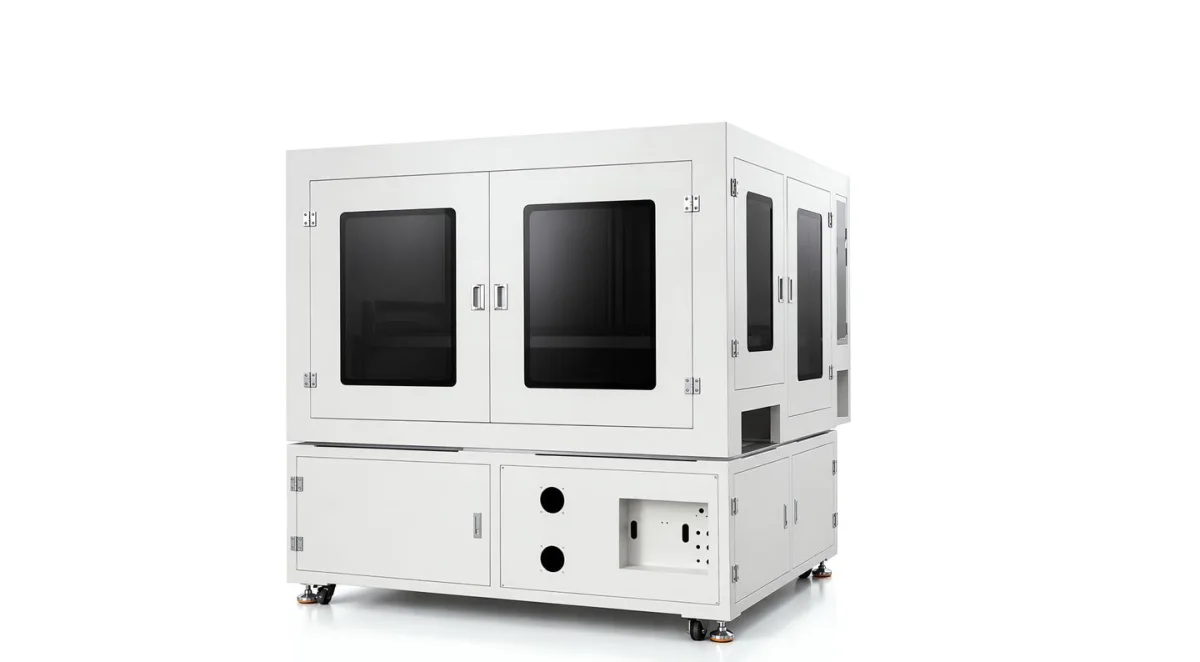
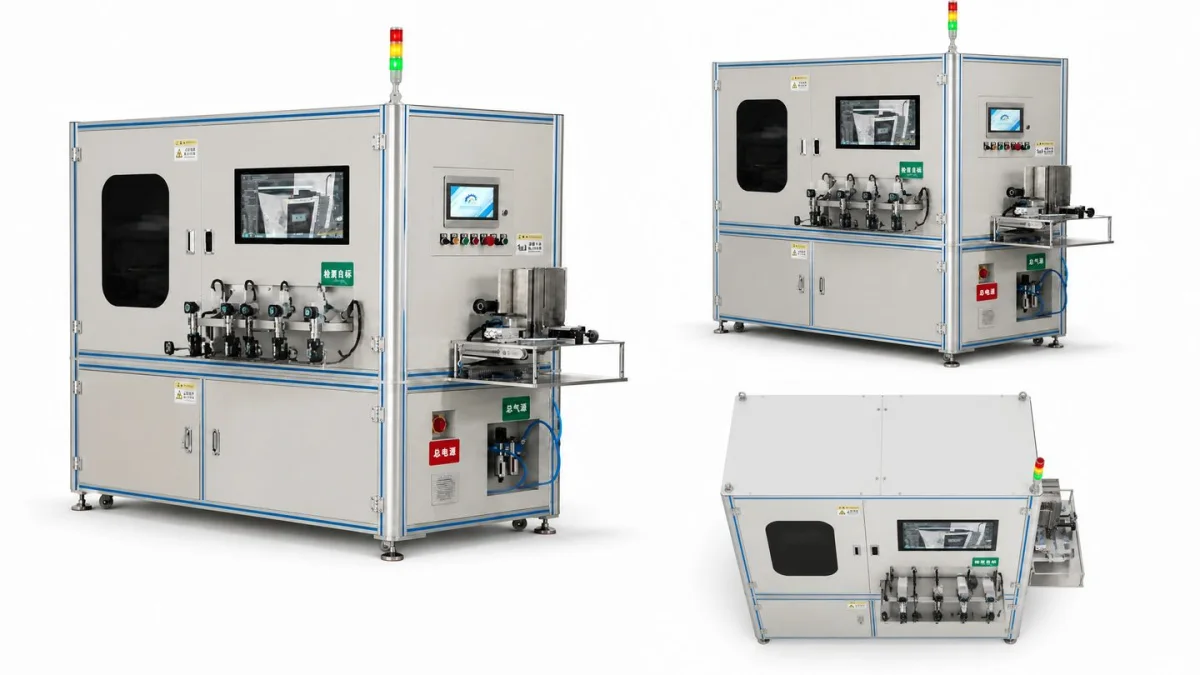
PET film AI visual inspection equipment: for polyester film, inline inspection of gels, scratches, holes, black spots, thickness streaks, edge cracks and other defects, with OK/NG output and line linkage.
Materials Overview
Transparent film uses transmitted light to find holes; scratches need multi-angle light
PET film AI visual inspection equipment images polyester film; the algorithm identifies defects such as fisheyes, scratches, holes, black spots, thickness streaks and edge cracks, outputs OK/NG results and interlocks with the production line; suitable for high-speed roll stock inspection.
PET (polyethylene terephthalate) film is a transparent / translucent polyester film widely used in packaging, electronics, photovoltaics, and release liners. Its inspection difficulty lies in "transparency": holes and black spots are most clearly revealed by transmitted light, but surface defects such as scratches and gel spots have extremely low contrast on transparent parts and need multi-angle or oblique light to form a clear image.
Specific defects of PET film include gels (small unmelted particles), scratches, holes, black spots / foreign inclusions, thickness streaks (bands of uneven thickness), edge cracks, and creases. Among these, gels and black spots are cleanliness indicators and are particularly important to electronics and photovoltaic customers.
PET film is mostly produced as high-speed roll stock, and inspection uses a line-scan camera for continuous full-width imaging. Changing thickness and transparency mainly requires adjusting illumination, not replacing the complete machine. In scenarios with high cleanliness requirements, ambient dust interference with imaging must be controlled.
Applicable Type
Standard PET Film
For packaging; the focus is on gel spots and holes
Optical-grade PET
High cleanliness, the focus is on black spots and scratches
PET Release Film
Coated; the focus is on coating uniformity
PET Thick Film
High thickness; the focus is on thickness streaks
PET Film Roll Stock
Continuous material feed, line-scan full-width inspection
Common defect
| Defect Types | Typical Manifestations | Inspection Focus Points |
|---|---|---|
| Gel spots | Unmelted small particles | High-contrast Features |
| Scratches | Linear surface damage | Requires multiple angles / oblique light |
| hole | Penetrating Short Shot | Transmitted Light Is the Most Direct |
| Black Spot / Impurity | Foreign Particles | Cleanliness Metric |
| Thickness Stripes | Strip-shaped thickness unevenness | Requires thickness-related imaging |
| Edge crack | Web-width edge cracking | Must Cover Full Width |
| Creases | Bending Marks | Low-angle light forms a clear image |
| Stain / coating defect | Uneven Coating | Contrast Against Base Color |
inspection Workflow
Complete chain from loading to judgment
- 01 PET film roll loading and unwinding
- 02 Flattening and tension control
- 03 Line-scan continuous imaging (transmitted light + reflected light)
- 04 Defect segmentation
- 05 Defect classification and grading
- 06 Edge crack and web width inspection
- 07 Cleanliness Statistics
- 08 Synthesized OK / NG
- 09 Marking / rejection and image archiving
AI Inspection Principles
AI Visual Inspection Principles
PET film inspection relies on the dual channels of "through-light + reflection": holes and black spots are most directly imaged with transmitted light, while scratches and gels are imaged with oblique / multi-angle reflected light. Surface defects on transparent parts have low contrast, and the illumination angle often determines the ceiling more than the camera does.
For illumination, backlight / transmitted light is used for holes and foreign matter; low-angle or oblique light for scratches and gel spots; diffuse light for coating uniformity and stains. Where cleanliness requirements are high, ambient dust interference must be controlled.
For judgement we recommend setting black spots and gels as key cleanliness items counted separately, and grading scratches by length. The specific thresholds must be confirmed by measurement on OK / NG samples.
Applicable Industry
Applicable equipment
Common Question
How can scratches on transparent PET film be captured?
Is transmitted-light inspection the most direct way to find holes and black spots?
Are gel particles and black spots counted as cleanliness metrics?
Can Uneven Thickness Be Detected?
What is the inspection accuracy?
What samples are needed to develop a solution?
Can It Be Integrated Into an Existing Production Line?
Submit sample testing
Send us OK and NG PET film samples of different thicknesses and transparency levels, and we will run transmitted-light and oblique-light measurements and provide illumination plan and cleanliness statistics recommendations.
Submitted successfully
We have received your sample testing request. A solution engineer will contact you within 1 business day via contact you.
Need to assess imaging conditions, defect criteria and cycle time item by item? Go to the Full Requirement Assessment →
Send Us Your Material and We Will Show You the Measured Results
Provide several OK and NG samples of the material, and a solution engineer will run actual imaging and judgement tests on the equipment to give a workable inspection configuration recommendation, rather than reading the datasheet alone.