PI Film AI Visual Inspection Equipment
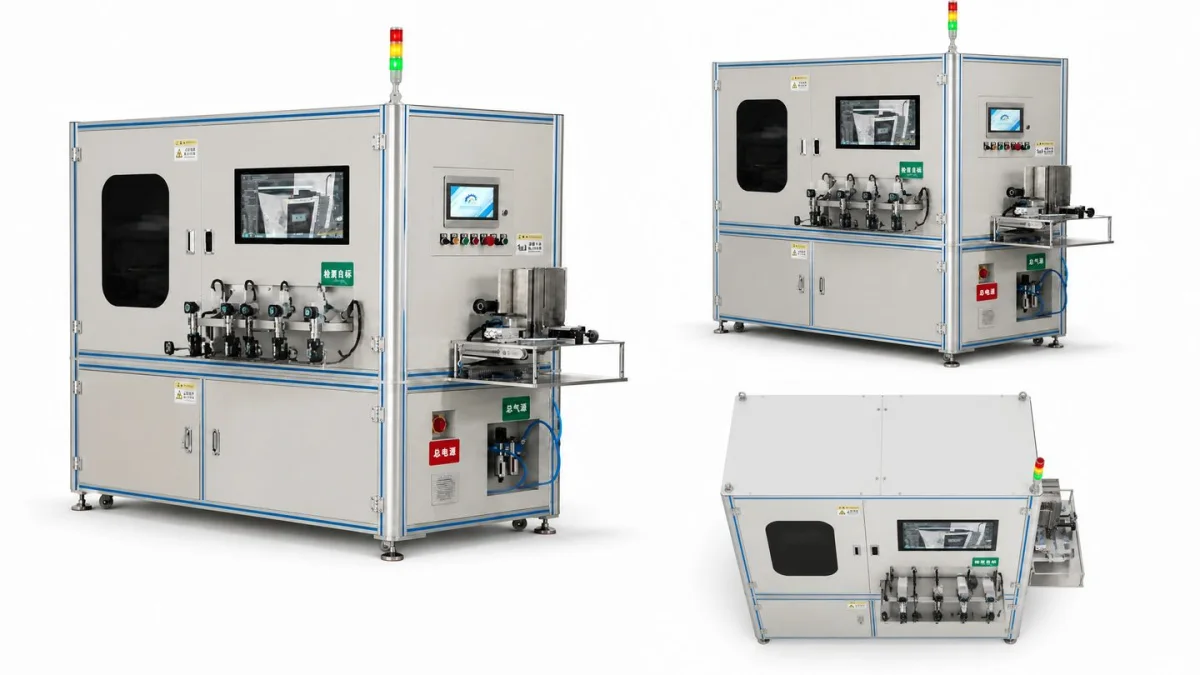
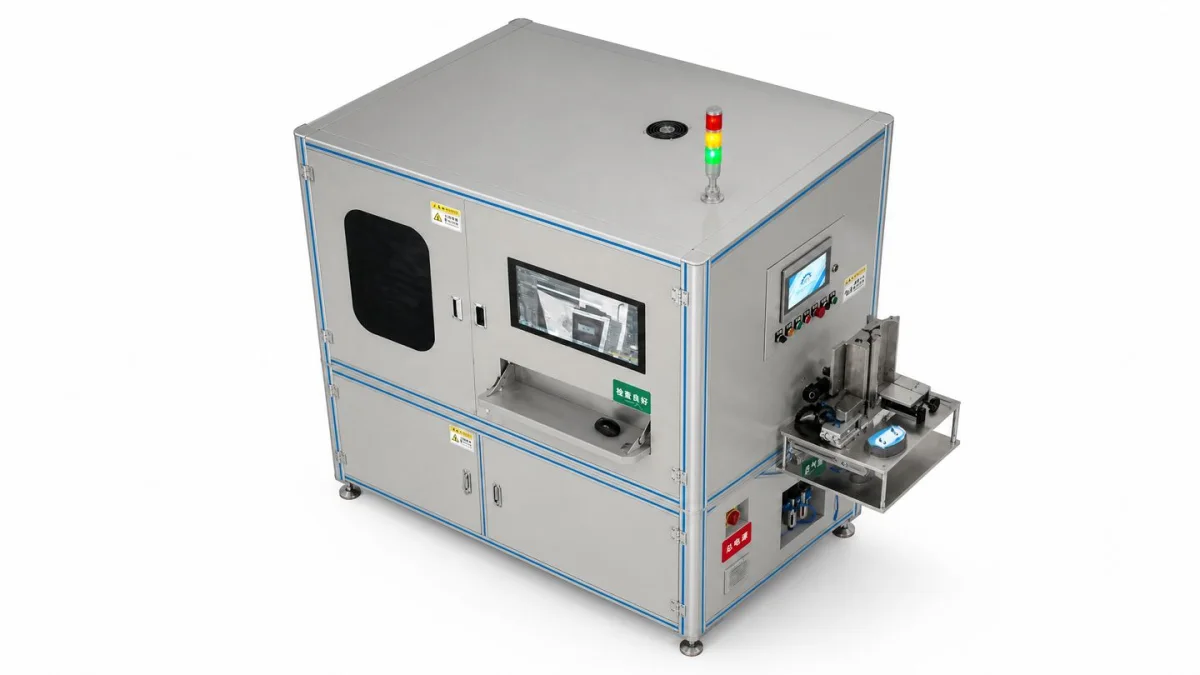
PI film AI visual inspection equipment targets amber transparent polyimide film, performing inline inspection of scratches, pinholes, stains, color differences, thickness, edge defects and more, with OK/NG output and production line interlocking.
Materials Overview
Transparent + highly reflective + pinholes: high requirements for both cleanliness and precision
PI film AI visual inspection equipment images amber-transparent polyimide film, and the algorithm identifies scratches, pinholes, stains, color difference, thickness anomalies, and edge defects, outputs OK/NG results, and interlocks with the production line. It is suitable for high-speed roll inspection.
PI (polyimide) film is amber-transparent and heat-resistant, and is a key film in the electronics and aerospace fields. Its inspection difficulty combines "transparency" and "high reflectivity": pinholes are found with transmitted light, scratches and surface dirt have low contrast under reflection, and electronics customers have extremely high requirements for cleanliness and accuracy.
Defects specific to PI film include pinholes, scratches, stains / particles, color difference (batch yellowness variation), uneven thickness, and edge defects (cracked edges, sawtooth edges). Among these, pinholes are critical — they can directly cause a short circuit or insulation failure in the downstream circuit.
PI film is mostly produced as high-speed roll stock; inspection uses line-scan cameras for continuous full-width imaging, combined with transmitted light and multi-angle reflected light. In scenarios with high cleanliness requirements, ambient dust must be controlled so it does not interfere with imaging.
Applicable Type
Standard PI Film
For electronics, key points: pinholes and cleanliness
Black PI Film
For light blocking, the focus is on color difference and scratches
PI Coverlay
Adhesive-coated; the focus is on coating and pinholes
PI Thick Film
High thickness; the focus is on thickness streaks
PI Film Roll Stock
Continuous material feed, line-scan full-width inspection
Common defect
| Defect Types | Typical Manifestations | Inspection Focus Points |
|---|---|---|
| Pinholes | Penetrating Micro-holes | Light transmission is the most critical; a critical item |
| Scratches | Linear surface damage | Requires multi-angle reflected light |
| Stain / Particle | Surface dirt, foreign matter | Cleanliness Metric |
| color difference | Inconsistent batch yellowness | Stable Color Reference |
| Uneven Thickness | Strip or Local | Externally visible portion |
| Edge Defect | Cracked Edge, Serrated Edge | Must Cover Full Width |
| wrinkle | Bending Marks | Low-angle light forms a clear image |
| Pressed-In Foreign Matter | Embedded Inclusions | High-contrast Features |
inspection Workflow
Complete chain from loading to judgment
- 01 PI film roll loading and unwinding
- 02 Flattening and tension control
- 03 Line-scan continuous imaging (transmitted light + reflected light)
- 04 Dedicated pinhole inspection
- 05 Defect segmentation and classification
- 06 Edge and web width inspection
- 07 Cleanliness Statistics
- 08 Synthesized OK / NG
- 09 Marking / rejection and image archiving
AI Inspection Principles
AI Visual Inspection Principles
PI film inspection also relies on "transmission + reflection": transmitted light is most critical for pinholes (a fatal item); multi-angle reflected light is used to form a clear image of scratches and dirt. With transparency combined with high reflectivity, the illumination angle and a clean environment set the limit.
For illumination, backlight / transmitted light is used for pinholes; low-angle or oblique light for scratches and particles; diffuse light for color difference and coating. In electronic-grade scenarios, ambient dust must be controlled to avoid false calls as defects.
For judgement, we recommend setting pinholes as the highest priority and counting them separately, and grading scratches by length. The specific thresholds must be confirmed by measured testing with OK / NG samples.
Applicable Industry
Applicable equipment
Common Question
Why Are Pinholes in PI Film a Critical Defect?
Can scratches on transparent, highly reflective PI film be captured?
Can Uneven Thickness Be Detected?
Is inspection the same for black PI film and transparent PI film?
What is the inspection accuracy?
What samples are needed to develop a solution?
Can It Be Integrated Into an Existing Production Line?
Submit sample testing
Send us OK and NG samples of PI film in different colors and thicknesses, and we will run transmitted-light and reflected-light measurements and provide recommendations for dedicated pinhole inspection and a cleanliness solution.
Submitted successfully
We have received your sample testing request. A solution engineer will contact you within 1 business day via contact you.
Need to assess imaging conditions, defect criteria and cycle time item by item? Go to the Full Requirement Assessment →
Send Us Your Material and We Will Show You the Measured Results
Provide several OK and NG samples of the material, and a solution engineer will run actual imaging and judgement tests on the equipment to give a workable inspection configuration recommendation, rather than reading the datasheet alone.