Food Both-Sides Appearance Inspection
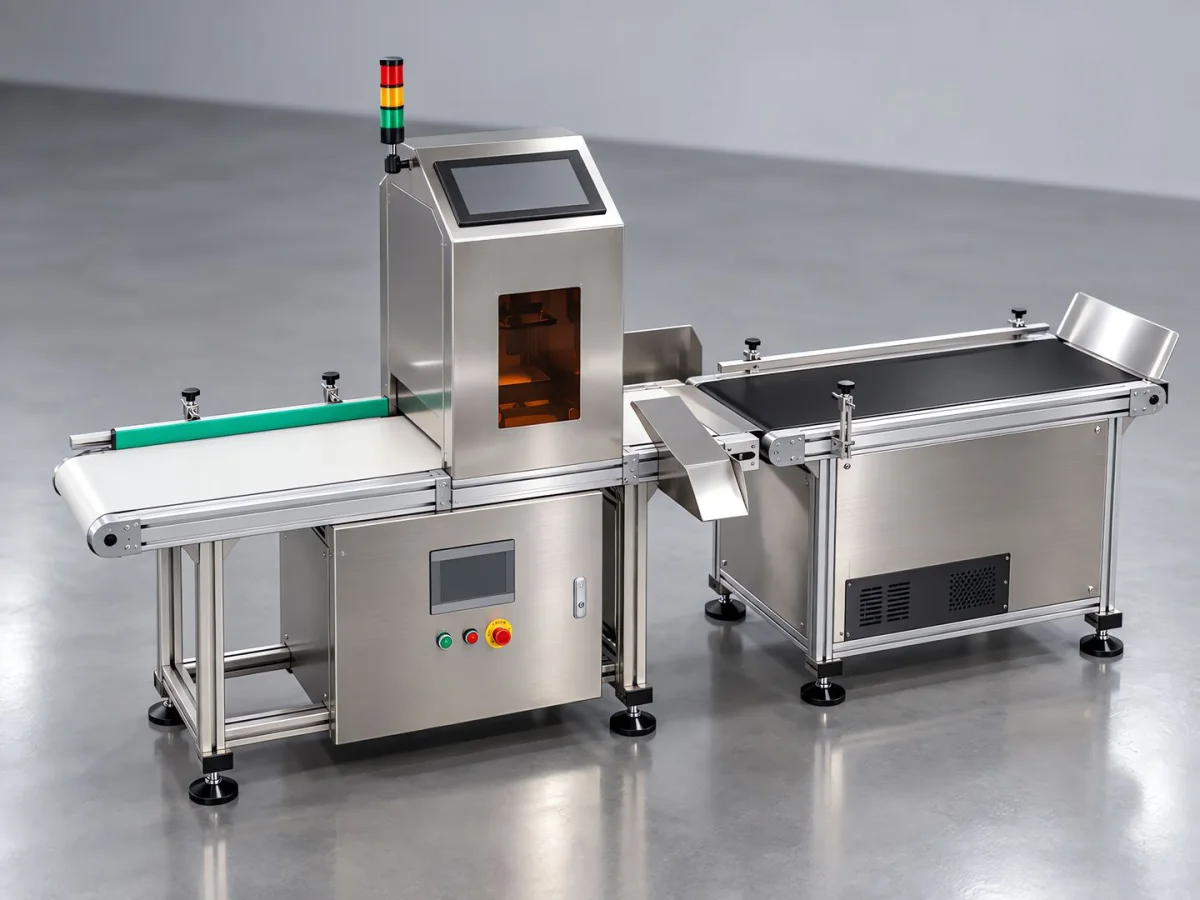
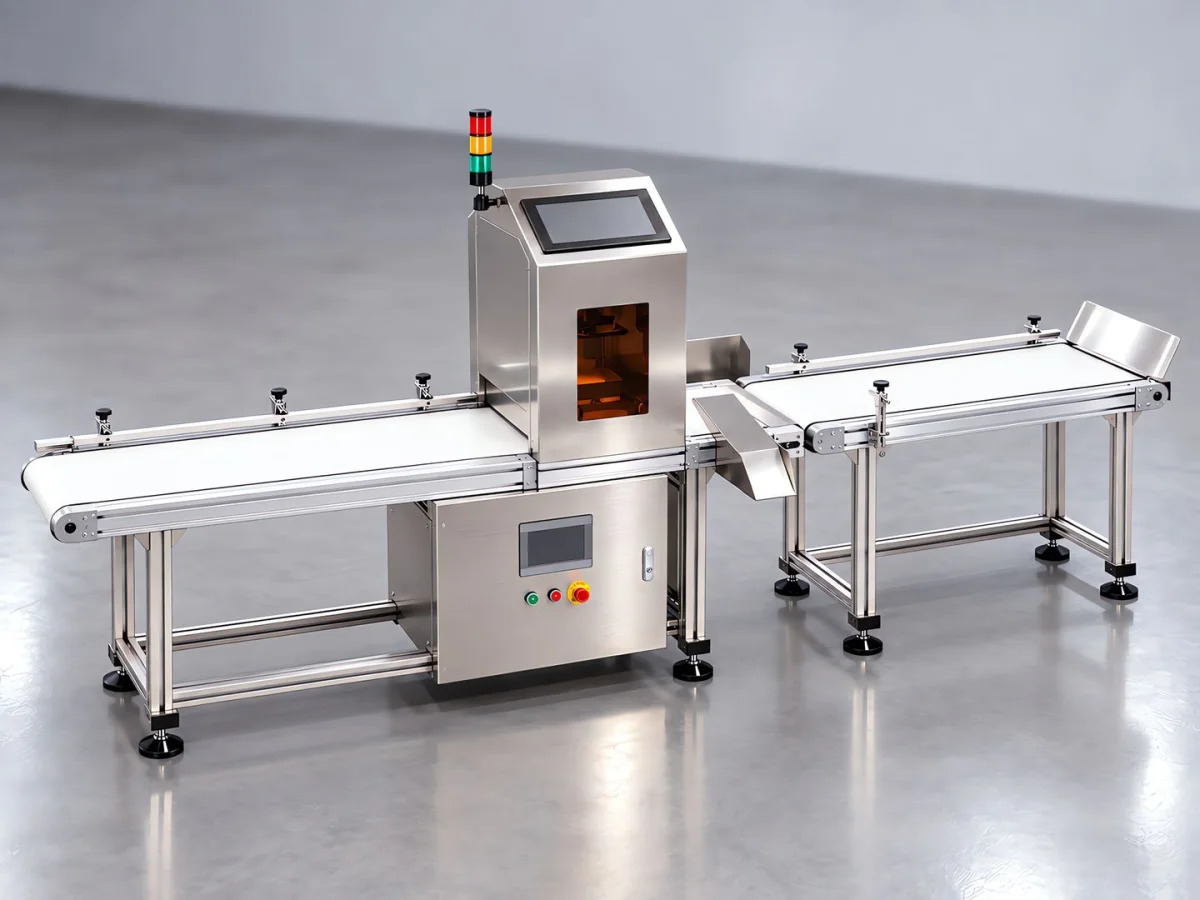
Food two-sided appearance inspection: for stains, foreign matter, damage, chipped corners and color differences on both the front and back of sheet/block food products, two-sided imaging captures front and back in one shot, and AI judgement with interlocked rejection outputs OK/NG.
Application Overview
Two-sided imaging inspection covering both faces of flat food items
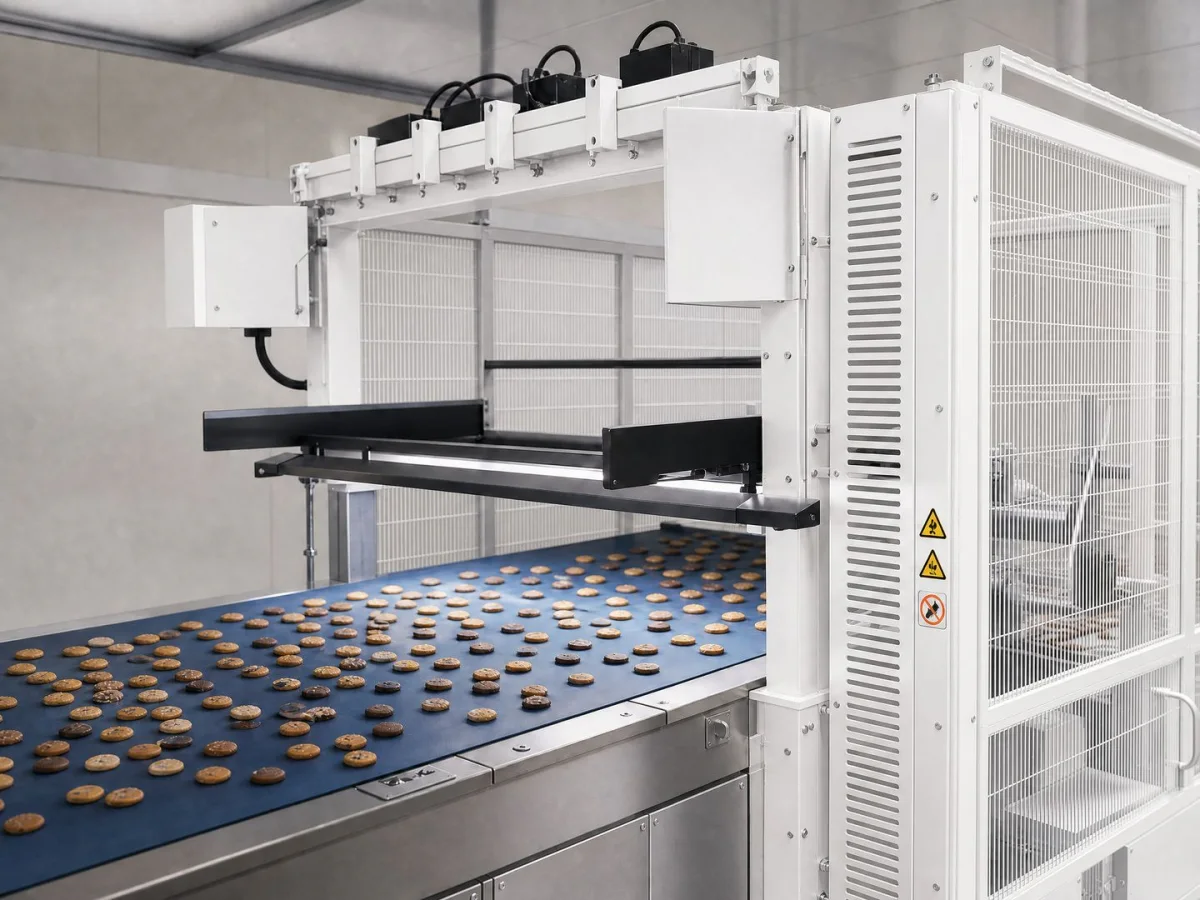
It inspects the front and back of food items (such as biscuit slices, freeze-dried blocks and sheet snacks) for stains, foreign matter, damage, chipped corners and color difference; two-sided imaging captures both faces in one pass, and AI judges the defects and rejects them.
Sheet / block food products can show scorching, foreign matter, damage or missing corners on either side, and single-side inspection misses defects on the back; production line cycle times are fast, so simultaneous dual-side imaging is needed to guarantee full inspection.
This station addresses the front and back appearance of food items, focusing on stains, foreign matter, damage, chipped corners, color difference and shape; acceptance criteria and material compatibility are set according to food hygiene requirements.
Inspection takes place before the sorting / packaging process step. Dual-sided imaging captures front and back in a single pass, AI judges defects and interlocks with rejection; the specific criteria are adjusted to the food type and production line.
inspection Targets
What This Station Actually Has to Judge
| inspection item | Description |
|---|---|
| Stain / Scorch | Scorch marks, oil stains, discoloration |
| foreign matter | Non-Food Foreign Matter |
| Damage / Missing Corner | Cracking, Chipped Edges |
| color difference | Uneven Color |
| Shape | Shape Out of Tolerance |
| dimension | Length/Width Out of Tolerance |
| Sticking | Multiple Sheets Stuck Together |
Why Inspect
Problems with manual visual inspection at this step
Sheet food must be inspected on both sides; a single side would miss burning, damage, and foreign matter on the back. Production line cycle times are fast, so both sides must be imaged simultaneously to ensure full inspection.
Foreign matter and scorching are safety-related defects with a high cost of escape, and food requires material and cleaning compatibility in line with hygiene regulations.
- Single-side inspection misses back-side defects
- Foreign matter and scorching are safety defects
- Fast line cycle time requires simultaneous capture of both sides
- Must be compatible with hygiene requirements
How Inspect
Stations and Inspection Chain
- 01 Food loading and conveying
- 02 Both sides imaged in a single pass (front/back)
- 03 Diffused light for stain and color difference inspection
- 04 Segmentation to Detect Foreign Matter
- 05 Contour comparison for damage and missing corners
- 06 AI defect classification
- 07 OK/NG output
- 08 Interlocked rejection
- 09 Image and data archiving
How to Inspect
For sheet-shaped food, upper and lower two-sided imaging captures the front and back in one pass: stains and color difference rely on diffuse light, and foreign matter relies on segmentation and recognition; this is a simultaneous two-sided imaging method, and the material and cleaning are compatible with hygiene regulations.
inspection defect
| Defect Types | Typical Manifestations | Inspection Focus Points |
|---|---|---|
| stain | Scorch Marks, Oil Stains | Diffused Light |
| foreign matter | Non-Food Particles | Segmentation |
| damage | Chipping | Contour Comparison |
| color difference | Uneven Color | Color Patch Comparison |
| Shape Anomaly | Shape Out of Tolerance | contour |
| out-of-tolerance dimension | Length/Width Out of Tolerance | measurement |
| Sticking | Multiple Sheets Stuck Together | counting |
Applicable equipment
Application Industry
Common Question
Why is both-sides inspection used for food?
Can It Replace Manual Sorting?
What Inspection Cycle Time Can Be Achieved?
How is foreign matter distinguished from the food itself?
What hygiene precautions are needed?
Are results traceable?
Do I Need to Re-Tune When the Food Type Changes?
Submit sample testing
Typical OK/NG food samples can be sent in for measured testing: the both-sides imaging and classification model solution is determined from the food type and line speed.
Submitted successfully
We have received your sample testing request. A solution engineer will contact you within 1 business day via contact you.
Need to assess imaging conditions, defect criteria and cycle time item by item? Go to the Full Requirement Assessment →
Can This Application Be Done? Sending a Sample for Testing Is the Most Direct Answer
Incoming material, part orientation and cycle time vary widely from factory to factory. Send us real samples and we will run imaging and judgement validation against your production line conditions, then give you a configuration proposal you can actually implement.