Medical Non-Woven Fabric Inspection
Medical non-woven fabric inspection: for stains, foreign matter, holes, uneven thickness and impurities in medical non-woven roll stock, line-scan continuous imaging plus AI judgement, marking and rejection support full-process traceability.
Application Overview
Continuous inline defect inspection of medical non-woven fabric rolls
Inspects stains, foreign matter, holes, uneven thickness and inclusions on the surface of medical non-woven fabric rolls; continuous material travel uses line-scan imaging, and AI judges defects and interlocks for rejection / marking.
Medical non-woven fabric is mostly continuous roll material used for dressings, surgical gowns, filtration and so on, with high requirements for cleanliness and integrity; impurities, holes and contamination lead directly to scrapping, and full traceability is required.
This station covers in-line inspection of non-woven fabric rolls, focusing on stains, foreign matter, holes, uneven thickness / grammage and inclusions; acceptance criteria are set according to the medical grade.
Inspection runs continuously at the winding or slitting process step, with line-scan cameras covering the area and defect positions marked for subsequent slitting and rejection; the specific criteria are adjusted according to the application.
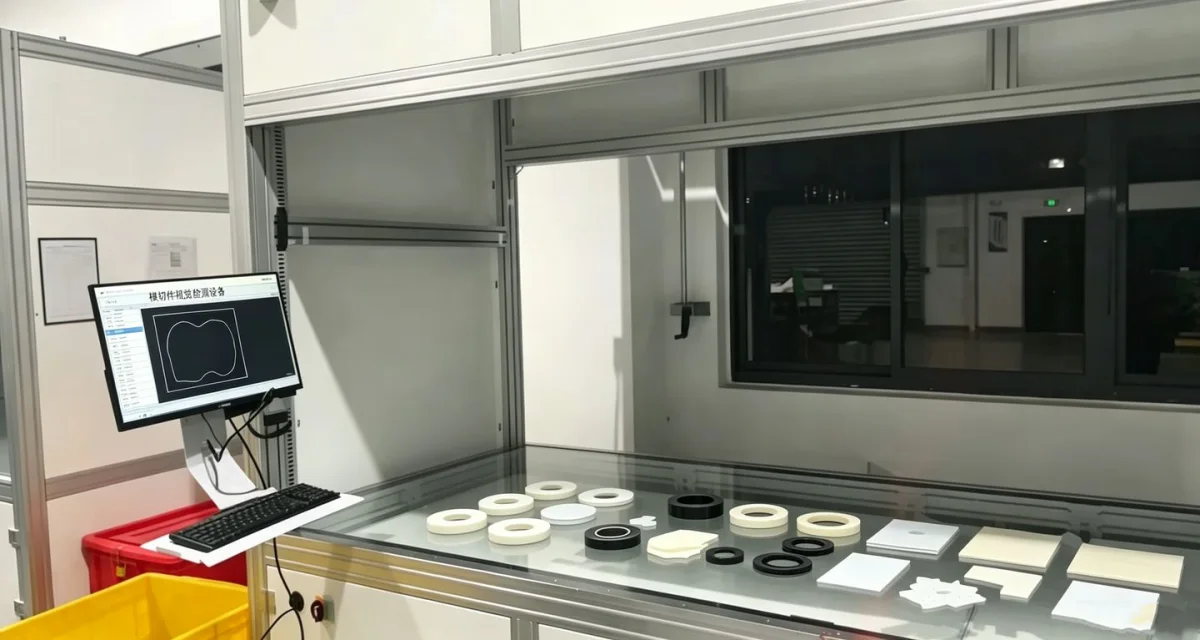
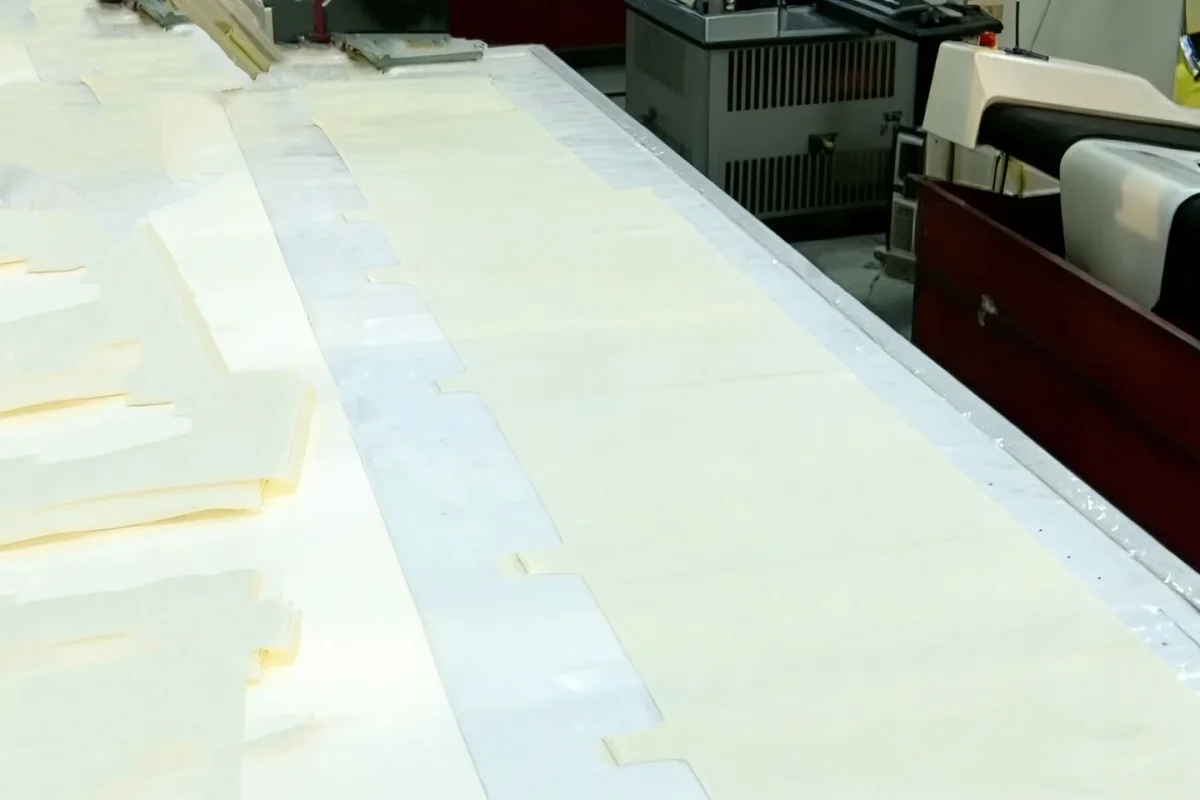
inspection Targets
What This Station Actually Has to Judge
| inspection item | Description |
|---|---|
| stain | Oil stains, discoloration, soiling |
| Foreign Matter / Inclusion | Attached particles, fiber clumps |
| hole | Holes, Tears |
| Uneven Thickness | Local thickness anomaly |
| Creases | Roll Crease |
| color difference | Differs from the standard sample |
| Edge Evenness | Selvedge Evenness |
Why Inspect
Problems with manual visual inspection at this step
Medical non-woven fabric runs continuously from rolls, the defects are random and traceability is required; cleanliness standards are strict, even small foreign matter must be detected, and this places high demands on illumination and algorithm stability.
Holes and contamination lead directly to rejection and the cost of an escape is high; medical applications also require full traceability, recording the meter count / roll number and defect position.
- Continuous web feed with random defects
- Strict cleanliness standards: small foreign matter must be detected too
- Missed holes and contamination are costly
- Medical use mandates full-process traceability
How Inspect
Stations and Inspection Chain
- 01 Continuous roll material feed
- 02 Line-scan camera covers the area
- 03 Backlight highlights holes
- 04 Diffused light checks stains and foreign matter
- 05 AI defect segmentation
- 06 Defect position marking
- 07 OK/NG output
- 08 Interlocking rejection/sorting
- 09 Image and data archiving
How to Inspect
For continuous roll material, line-scan cameras image the full web area; holes are found with backlight, while stains and foreign matter are segmented with diffused light, and defect positions are marked by meter count, which is a continuous roll imaging method.
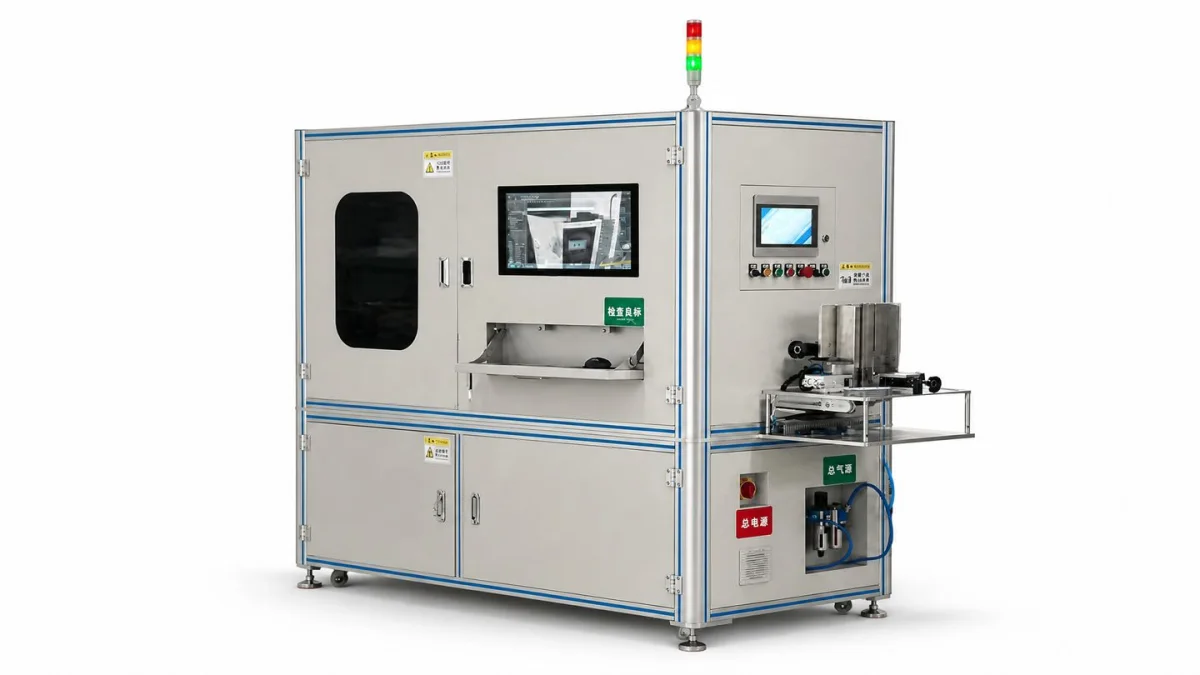
inspection defect
| Defect Types | Typical Manifestations | Inspection Focus Points |
|---|---|---|
| stain | Oil Stains, Discoloration | Diffused Light |
| foreign matter | Particle and Fiber Clusters | Segmentation |
| hole | Splits | Backlight |
| Uneven Thickness | Thickness Anomaly | Transmission / Thickness Measurement |
| Creases | Roll Crease | Low-Angle Light |
| color difference | Local Discoloration | Color Patch Comparison |
| Edge Irregularity | Uneven Fabric Edge | Contour Comparison |
Applicable equipment
Application Industry
Common Question
What makes medical non-woven fabric inspection difficult?
Can it replace manual labor?
What Inspection Accuracy Can Be Achieved?
How is roll material traced?
How are small holes detected?
Can Results Integrate with the Production Line?
Does Changing Specifications Require Retuning?
Submit sample testing
Typical OK/NG medical non-woven fabric samples can be sent for measured testing: the line-scan and marking solution is determined by the area and medical grade.
Submitted successfully
We have received your sample testing request. A solution engineer will contact you within 1 business day via contact you.
Need to assess imaging conditions, defect criteria and cycle time item by item? Go to the Full Requirement Assessment →
Can This Application Be Done? Sending a Sample for Testing Is the Most Direct Answer
Incoming material, part orientation and cycle time vary widely from factory to factory. Send us real samples and we will run imaging and judgement validation against your production line conditions, then give you a configuration proposal you can actually implement.