Carbon Fiber Prepreg AI Visual Inspection Equipment
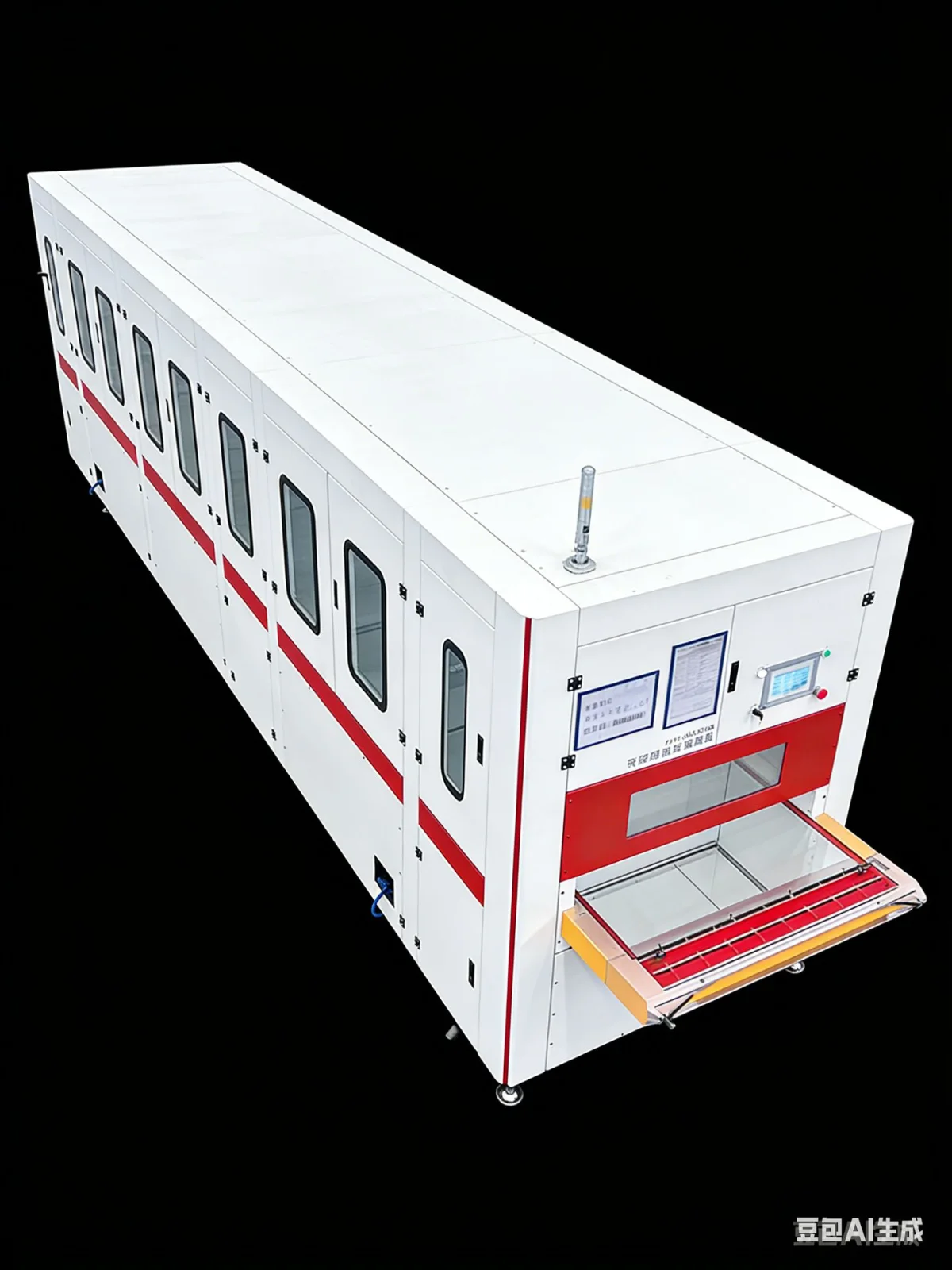
Carbon fiber prepreg AI visual inspection equipment targets resin-impregnated carbon fiber fabric, performing inline inspection of fiber direction, wrinkles, resin starvation and excess resin, white strands, missing weft, scratches, delamination and other defects, with OK/NG output and production line interlocking.
Materials Overview
Fiber-direction sheen + resin reflection; wrinkles and white filaments are the key focus
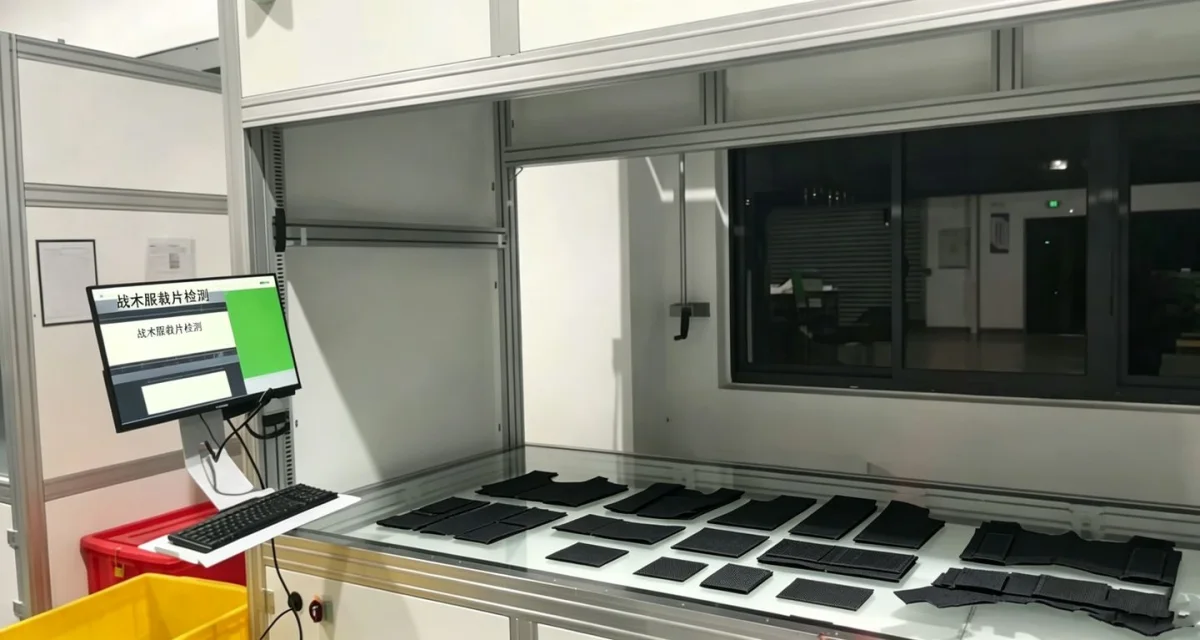
Carbon fiber prepreg AI visual inspection equipment images resin-impregnated carbon fiber cloth; the algorithm identifies defects such as fiber orientation deviation, wrinkles, resin starvation and resin-rich areas, white strands, missing weft, scratches, and delamination, outputs OK/NG results, and interlocks with the production line.
Carbon fiber prepreg is a semi-finished product made by impregnating carbon fiber fabric with resin, where fiber orientation and resin content are both critical. Its difficulty lies in the double reflection of "fiber + resin": carbon fiber has directional gloss, so unidirectional and woven fabrics reflect differently; the resin also forms a reflective film on the surface that hides defects such as wrinkles, white strands, and resin-starved areas.
Defects specific to carbon fiber prepreg include fiber orientation deviation (ply misalignment), wrinkles (bending damage), resin starvation / resin-rich areas (uneven resin), white strands (exposed fibers not fully impregnated), missing weft, scratches and delamination. Wrinkles and white strands have a major effect on the strength of the finished part and are key items to intercept.
Inspection uses AI to build a model of the normal fiber texture and gloss, and judges direction deviation, wrinkles and white strands as defects; resin reflection needs stripe / coaxial light suppression. Changing the weave (unidirectional / plain / satin) mainly means adjusting the recipe.
Applicable Type
Unidirectional Prepreg
Aligned fibers, key points: direction and white fibers
Woven Prepreg
Plain weave / satin weave, key points: wrinkles and missing weft
Prepreg Roll Stock
Continuous material feed, line-scan full-width inspection
Prepreg Cut Pieces
Already cut, inspected piece by piece with defect locating
Narrow-width Prepreg
Narrow-width special specification, the focus is on edges
Common defect
| Defect Types | Typical Manifestations | Inspection Focus Points |
|---|---|---|
| Fiber orientation deviation | Ply placement / weave direction misalignment | Orientation Angle Measurement |
| wrinkle | Bending Damage | Low-angle light forms a clear image |
| Resin Starvation / Resin Rich | Uneven Resin | Suppress resin reflection |
| White streaks | Exposed fibers, incomplete impregnation | Contrast Against Black Filaments |
| Missing weft | Missing Weft Yarn | Compare With Weave Pattern |
| Scratches | Surface Damage | Requires Reflection Suppression |
| Delamination | Interlayer Separation | Focus on the Edges |
| Foreign Matter / Stain | Particles, Oil Stains | High-contrast Features |
inspection Workflow
Complete chain from loading to judgment
- 01 Prepreg loading / roll unwinding or cut-piece feeding
- 02 Flattening and tension control
- 03 Triggered imaging (resin reflection suppression)
- 04 Fiber direction angle measurement
- 05 Weave modeling
- 06 Defect segmentation and classification
- 07 Defect Grading
- 08 Synthesized OK / NG
- 09 Marking / rejection and image archiving
AI Inspection Principles
AI Visual Inspection Principles
Inspection of carbon fiber prepreg is difficult because of "fiber sheen + resin reflection." The algorithm builds a model of normal fiber texture and orientation and classifies orientation deviation, wrinkles, white strands and resin starvation/resin-rich areas as defects; resin reflection must be suppressed with stripe / coaxial light, otherwise wrinkles and white strands are masked.
For illumination, stripe light / coaxial light is used to suppress specular reflection from the resin and to highlight fibers and wrinkles; low-angle light is used to reveal white strands and bends. Unidirectional and woven fabric reflect light differently, so separate recipes are required.
For judgement, we recommend setting wrinkles and white fiber as high priority (they affect strength), with fiber orientation judged by angular tolerance. Specific thresholds need to be confirmed by measured testing with OK / NG samples.
Applicable Industry
Applicable equipment
Common Question
Does resin reflection on carbon fiber prepreg mask defects?
Can Fiber Orientation Deviation Be Measured?
How Do You Tell White Yarn from Normal Black Yarn?
Can Internal Delamination Be Detected?
What is the inspection accuracy?
What samples are needed to develop a solution?
Can It Be Integrated Into an Existing Production Line?
Submit sample testing
Send us OK and NG samples of different types of carbon fiber prepreg, such as unidirectional and woven, and we will carry out resin reflection suppression and measured fiber orientation testing, then give illumination solution recommendations.
Submitted successfully
We have received your sample testing request. A solution engineer will contact you within 1 business day via contact you.
Need to assess imaging conditions, defect criteria and cycle time item by item? Go to the Full Requirement Assessment →
Send Us Your Material and We Will Show You the Measured Results
Provide several OK and NG samples of the material, and a solution engineer will run actual imaging and judgement tests on the equipment to give a workable inspection configuration recommendation, rather than reading the datasheet alone.