Conductive Fabric AI Visual Inspection Equipment
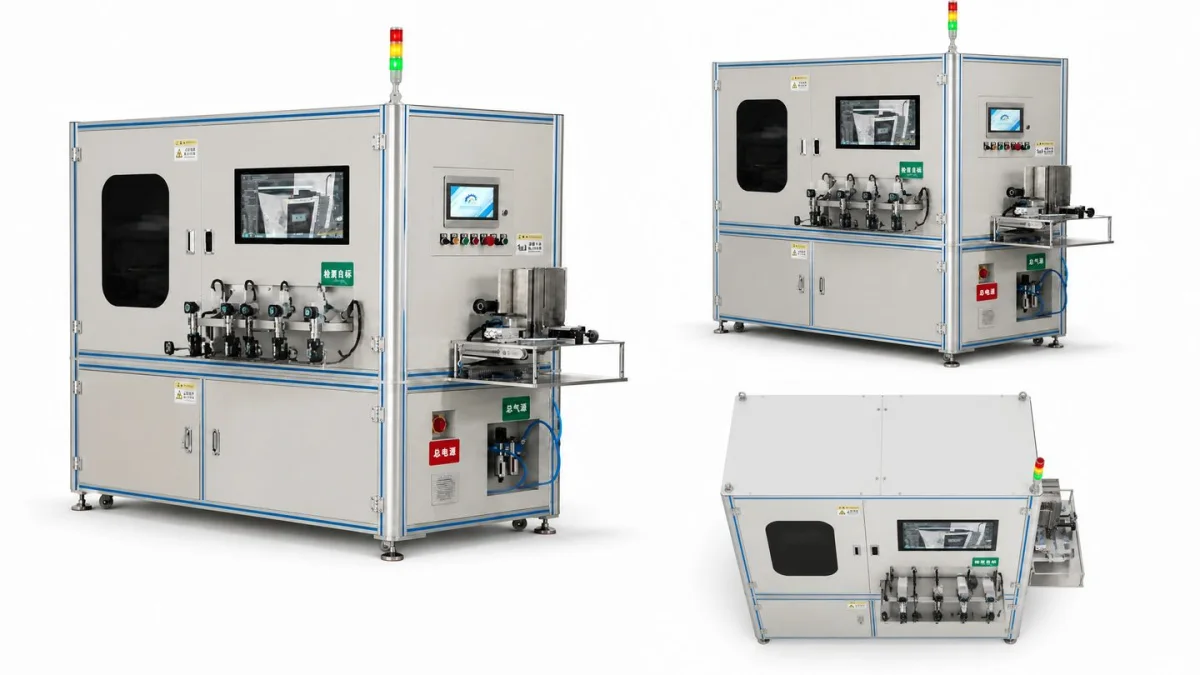
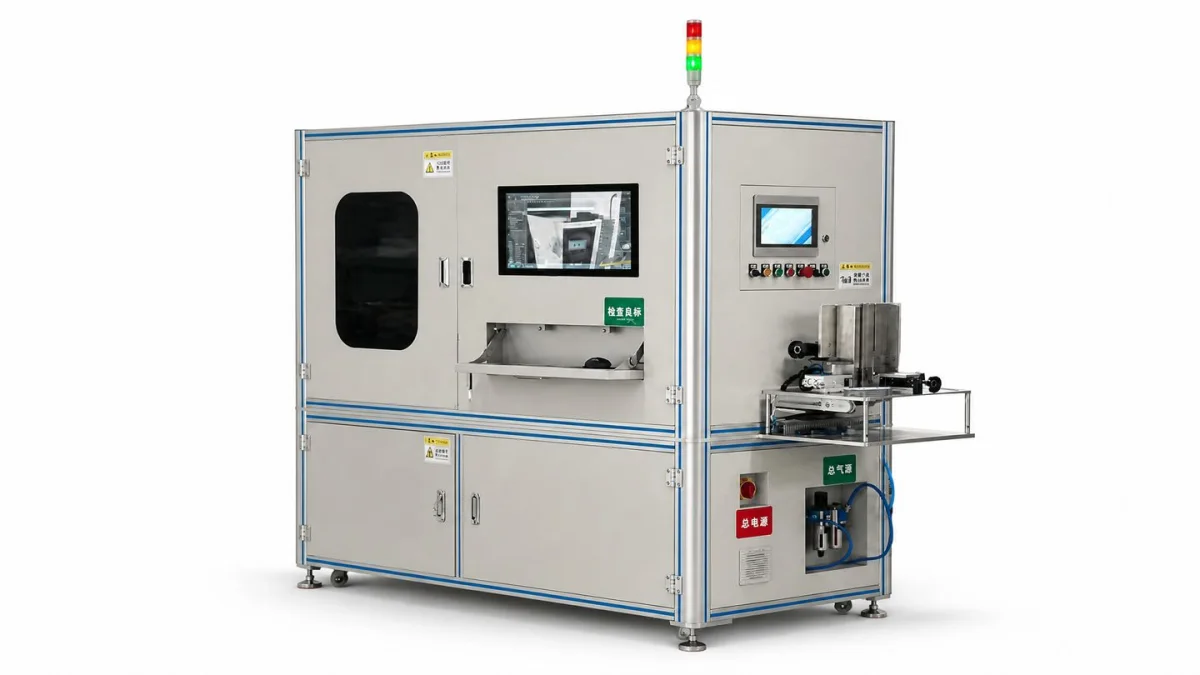
Conductive fabric AI visual inspection equipment: for metal-plated (nickel / copper) fabrics, inline inspection of uneven plating, scratches, yarn breakage, stains, color difference, pinholes and other defects, with OK/NG output and line linkage.
Materials Overview
Metal reflection suppression + coating continuity appearance
The conductive fabric AI visual inspection equipment images metal-plated (nickel / copper) fabric; algorithms identify defects such as uneven plating, scratches, yarn breakage, stains, color difference and pinholes, output OK/NG results and interlock with the production line.
Conductive fabric is ordinary fabric plated with metals such as nickel and copper, used for electromagnetic shielding. Its difficulty is "metal reflection": the plating is a highly reflective surface, so scratches and uneven plating have low contrast; at the same time the equipment can only see the "appearance of plating continuity" and cannot directly measure electrical properties such as resistivity.
Defects specific to conductive fabric include uneven plating (mottled gloss / color), scratches, yarn breakage, stains, color difference, pinholes (plating perforation) and foreign matter. Uneven plating and pinholes affect shielding continuity and are key items.
Inspection uses AI to build a model of the normal plated appearance and judges unevenness, scratches and pinholes as defects; metal reflection must be suppressed with stripe / coaxial light. Changing the base fabric or the plating type mainly requires adjusting the recipe.
Applicable Type
Nickel-plated Conductive Fabric
The focus is on plating uniformity and pinholes
Copper-plated Conductive Fabric
Focus on color difference and scratches
Conductive Fabric Tape
Adhesive-backed; the focus is on glue application and delamination
Conductive Fabric Roll Stock
Continuous material feed, line-scan full-width inspection
Conductive Fabric Cut Pieces
Already cut, inspected piece by piece with defect locating
Common defect
| Defect Types | Typical Manifestations | Inspection Focus Points |
|---|---|---|
| Uneven Plating | Gloss / color mottling | Requires Reflection Suppression |
| Scratches | Linear surface damage | Low-angle light forms a clear image |
| yarn breakage | Base Fabric Breakage | Compare With Weave Pattern |
| stain | Oil Stains, Oxidation | Contrast Against Plating |
| color difference | Inconsistency Within Batch | Stable Color Reference |
| Pinholes | Plating Perforation | Transmitted or low-angle light |
| foreign matter | Stray Fibers, Particles | High-contrast Features |
| Delamination | Interlayer Separation | Focus on the Edges |
inspection Workflow
Complete chain from loading to judgment
- 01 Conductive fabric loading / roll unwinding or cut-piece feeding
- 02 Flattening and tension control
- 03 Triggered imaging (metal reflection suppression)
- 04 Plating appearance modeling
- 05 Defect segmentation and classification
- 06 Defect Grading
- 07 Dimension / contour judgement (optional)
- 08 Synthesized OK / NG
- 09 Marking / rejection and image archiving
AI Inspection Principles
AI Visual Inspection Principles
Inspection of conductive fabric is difficult because of "metal reflection." The algorithm builds a model of the normal plating appearance and classifies uneven plating, scratches and pinholes as defects; metal reflection must be suppressed with stripe / coaxial light, otherwise defects are masked by specular reflection. Note that only appearance can be inspected; electrical properties are not measured.
For illumination, stripe light / coaxial light suppresses specular reflection from metal and highlights the coating and scratches; diffuse light establishes a stable color datum and makes stains and color difference visible. Different plating types have different reflection characteristics and require separate recipes.
For judgement, we recommend setting uneven coating and pinholes as high priority; electrical performance indicators are outside the capability of this equipment. Specific thresholds need to be confirmed by measured testing with OK / NG samples.
Applicable Industry
Applicable equipment
Common Question
Will the metallic reflections of conductive fabric hide defects?
Can the Equipment Measure the Resistance of Conductive Fabric?
Why Are Pinholes Important?
Is Inspection the Same for Different Plating Types (Nickel / Copper)?
What is the inspection accuracy?
What samples are needed to develop a solution?
Can It Be Integrated Into an Existing Production Line?
Submit sample testing
Send OK and NG conductive fabric samples with different plating types and base fabrics, and we will run measured tests on metal reflection suppression and the coating, and recommend an illumination plan.
Submitted successfully
We have received your sample testing request. A solution engineer will contact you within 1 business day via contact you.
Need to assess imaging conditions, defect criteria and cycle time item by item? Go to the Full Requirement Assessment →
Send Us Your Material and We Will Show You the Measured Results
Provide several OK and NG samples of the material, and a solution engineer will run actual imaging and judgement tests on the equipment to give a workable inspection configuration recommendation, rather than reading the datasheet alone.