Industrial Vision Models for Defect Detection and Data Preparation
Understand industrial vision model adaptation, AI-generated training defects and assisted labeling, with validation boundaries for manufacturing inspection.
Adapt industrial vision models to a defined manufacturing task
The documented architecture uses LumiLVM-2B at L0; inspection/Industrial Prompt, Industrial AIGC and Industrial SAM at L1; and scenario model directions at L2. The name does not establish a parameter count, a conversational vision-language model, or universal zero-shot inspection performance.
Three different roles in model development
| Capability | Practical use | Validation boundary |
|---|---|---|
| Inspection / Industrial Prompt | Adapt visual analysis to a defined object, defect and expected output | Verify against the actual quality rules and deployment conditions |
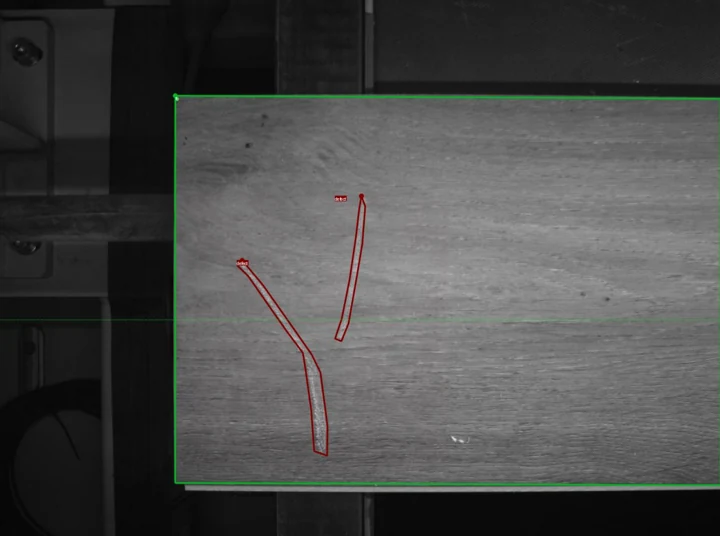
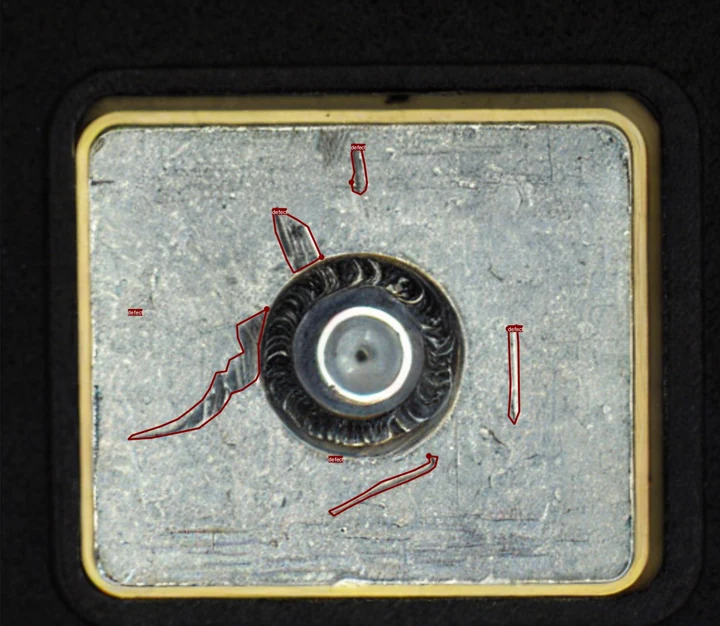
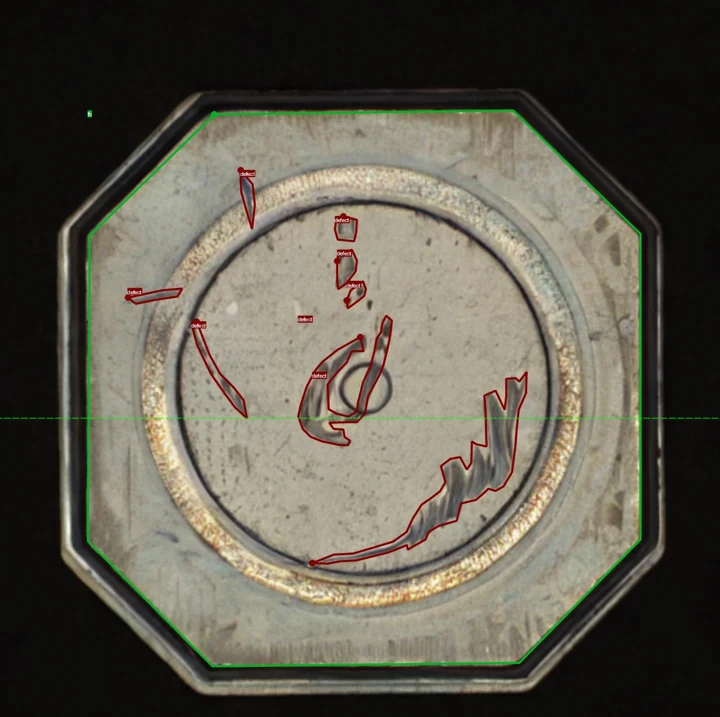
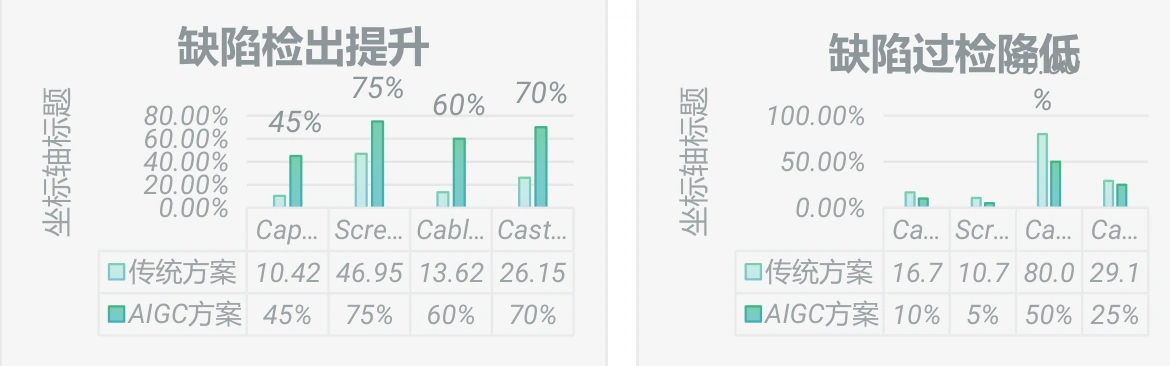
| Industrial AIGC | Generate supplemental defect examples with controlled backgrounds and regions | Identify synthetic data, review plausibility and avoid test-set leakage |
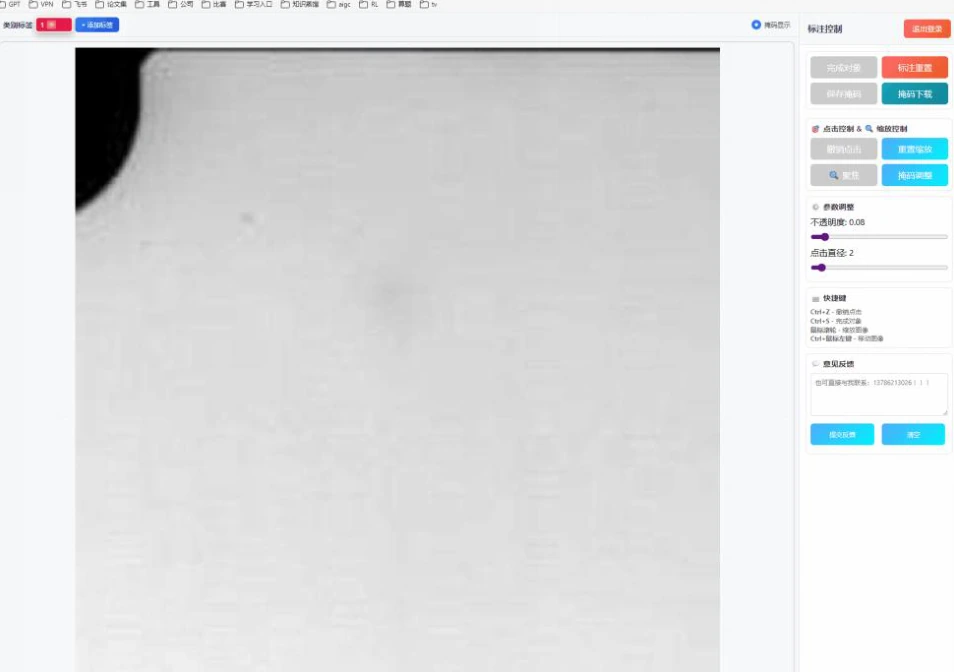
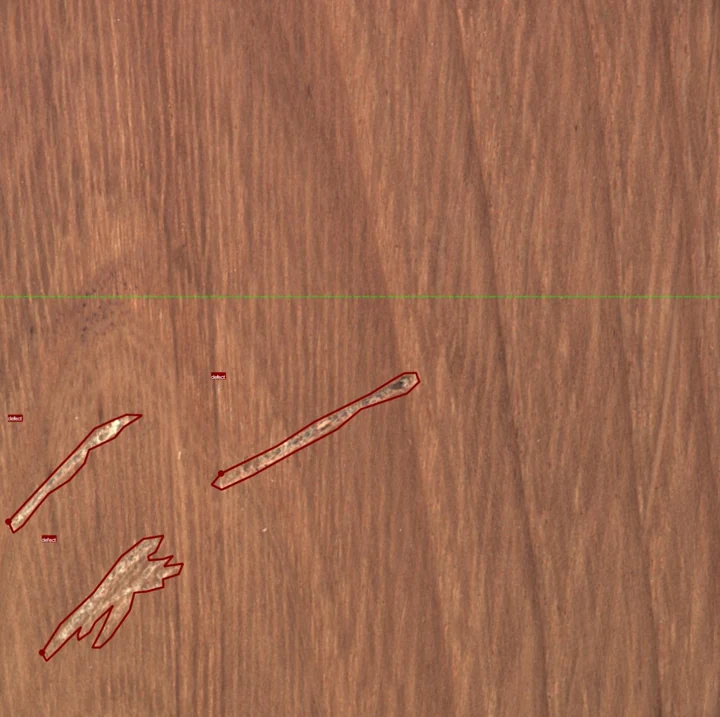
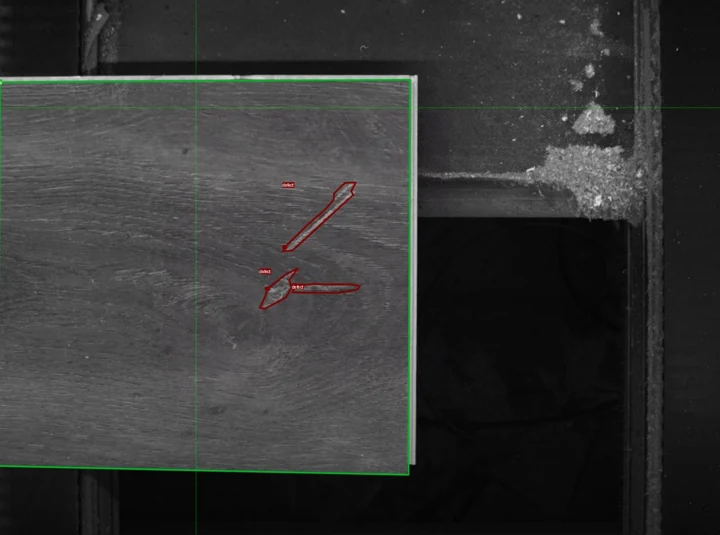
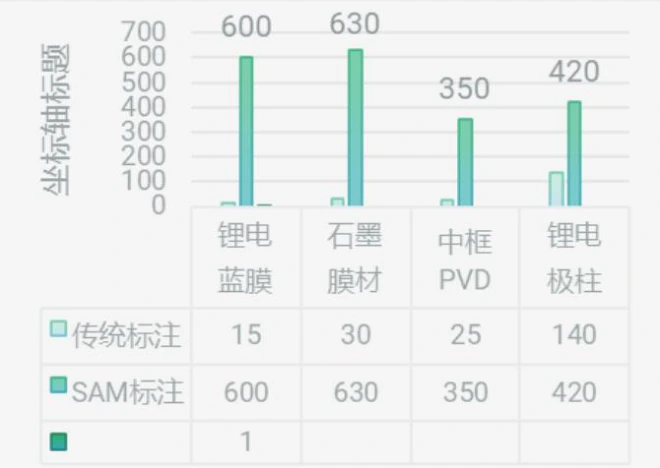
| Industrial SAM | Assist defect-region and contour annotation, including small or shallow examples | Human reviewers correct labels using a consistent defect definition |
Evaluate the intended industry context
The source lists consumer electronics (3C), automotive, lithium batteries, medical manufacturing, food and film materials as scenario directions. These names guide evaluation; they do not establish a complete delivered model for each sector, clinical functionality, food safety certification or an accepted customer installation.
Use real production evidence for acceptance
- Define defect classes, borderline criteria and the required output before model selection.
- Separate parts and production batches between training, tuning and independent testing.
- Test real defects, normal variation, changes in lighting and product variants on the intended compute target.
- Report per-class escapes and false rejects, invalid/uncertain results and end-to-end cycle time.
- Freeze the validated model and recipe; monitor drift and review changes before another release.
Source demonstrations mention small image counts, generated-sample rates and annotation-efficiency comparisons without a complete reproducible hardware, dataset and metric definition. They are not published here as EEK performance promises or minimum sample requirements.
View source diagrams and interface examples
Engineering questions
Can a foundation model inspect a new part without validation?
No universal capability is established by the source. Define the part, defect, imaging and acceptance rule, adapt the task as needed, and test on independent real production samples.
Can AI-generated defects establish detection accuracy?
They may supplement training but cannot establish acceptance on real production parts. Measure escapes and false rejects against independently reviewed real samples.
Does Industrial SAM remove the need for labeling expertise?
It proposes regions and contours. A reviewer still needs to correct labels and maintain a consistent definition of defects and acceptable variation.
Connected technologies
Evaluate your inspection task
Send representative good and defective parts or images, acceptance limits, part dimensions, target cycle time, installation constraints and PLC or robot interface details. Include operation video and the SOP for a process-recognition task. Agree the trial, acceptance method and available modules before selecting a production configuration.