AI Visual Inspection Equipment for Aramid
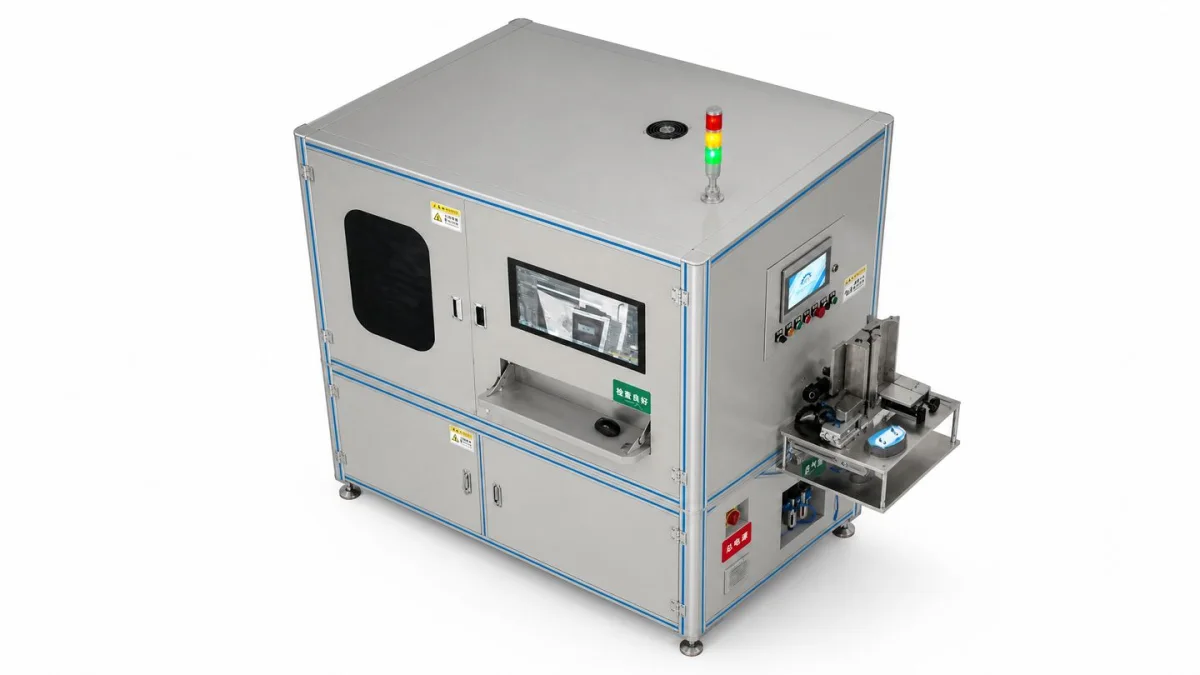
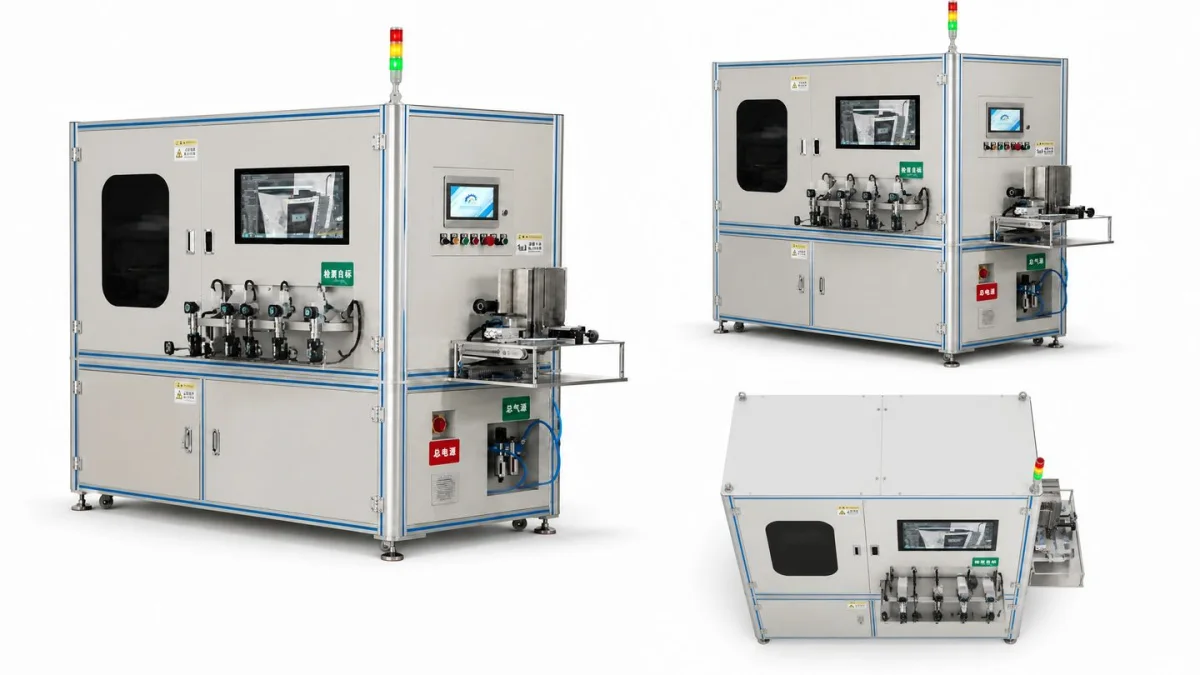
Aramid AI visual inspection equipment: for aramid (Kevlar) fiber fabric, inline inspection of yarn breakage, color difference, fuzz, stains, wrinkles, missing weft, damage and other defects, with OK/NG output and line linkage.
Materials Overview
Natural golden yellow + high-tenacity sheen; fuzz and color difference are the key points
The aramid AI visual inspection equipment images aramid (Kevlar) fiber fabric; algorithms identify defects such as yarn breakage, natural color difference, fuzz, stains, wrinkles, missing weft and damage, output OK/NG results and interlock with the production line.
Aramid (such as Kevlar) is a high-strength synthetic fiber, naturally golden-yellow with a silky luster on its surface, commonly used in protective gear, aerospace and new energy. Its difficulty lies in "golden natural color + luster": the natural color difference (batch yellowness) must be distinguished from defect color difference, while the luster also creates directional reflection on the surface.
Aramid-specific defects include yarn breakage, fuzz (raised filaments), stains, wrinkles, missing weft, damage (surface scratches) and natural color difference that must be distinguished. Fuzz and yarn breakage affect strength and are key items.
For inspection, AI builds models of the normal weave and the color datum, and judges yarn breakage, fuzz, stains and damage as defects; changing the weave mainly means adjusting the recipe. The acceptable range of natural color difference must be defined in the acceptance standard.
Applicable Type
Aramid Plain Weave
Focus on yarn breakage and missing weft
Aramid Unidirectional Fabric
Unidirectional arrangement, key points: direction and fuzz
Aramid Composite
Resin-containing, the focus is on stains and overlaps
Aramid Rolls
Continuous material feed, line-scan full-width inspection
Aramid Cut Pieces
Already cut, inspected piece by piece with defect locating
Common defect
| Defect Types | Typical Manifestations | Inspection Focus Points |
|---|---|---|
| yarn breakage | Warp / Weft Breakage | Compare With Weave Pattern |
| fuzz | Filament Lifting | Weak contrast on mercerized background |
| Natural Color Difference | Batch Yellowness Difference | Must be distinguished from defects |
| stain | Oil Stains, Resin Spots | Compared against golden background |
| wrinkle | Bending Marks | Low-angle light forms a clear image |
| Missing weft | Missing Weft Yarn | Weft-direction Feature |
| Damage / Scratch | Surface Damage | Requires Reflection Suppression |
| foreign matter | Stray Fibers, Particles | High-contrast Features |
inspection Workflow
Complete chain from loading to judgment
- 01 Aramid loading / roll unwinding or cut-piece feeding
- 02 Flattening and tension control
- 03 Triggered imaging (suppresses sheen)
- 04 Weave pattern / direction modeling
- 05 Color Reference Setup
- 06 Anomaly region segmentation
- 07 Defect classification and grading
- 08 Synthesized OK / NG
- 09 Marking / rejection and image archiving
AI Inspection Principles
AI Visual Inspection Principles
Aramid inspection is difficult because of its "golden natural color + mercerized sheen". The algorithm builds a model of the normal weave and a color baseline, classifies yarn breakage, fuzz, stains, and damage as defects, and separates natural batch color variation from defect color difference. The mercerized sheen must be suppressed with striped or coaxial light.
For illumination, stripe light / coaxial light is used to suppress gloss reflection from the fibers and to highlight fuzz and damage; diffuse light is used to establish a stable color datum and to see stains clearly. The acceptable range of natural color difference must be defined in the acceptance standard.
For judgement, we recommend setting yarn breakage and fuzz as high priority and judging color difference by yellowness tolerance. Specific thresholds must be confirmed by measured testing of OK / NG samples.
Applicable Industry
Applicable equipment
Common Question
How Do You Separate the Natural Color Difference of Aramid from Defect Color Difference?
Does the sheen of aramid mask defects?
Can Fuzz Be Detected Reliably?
Can the internal resin condition be detected?
What is the inspection accuracy?
What samples are needed to develop a solution?
Can It Be Integrated Into an Existing Production Line?
Submit sample testing
Send us OK and NG aramid samples of different weave patterns and batches, and we will run sheen suppression and color baseline measurements and provide illumination plan and judgement recommendations.
Submitted successfully
We have received your sample testing request. A solution engineer will contact you within 1 business day via contact you.
Need to assess imaging conditions, defect criteria and cycle time item by item? Go to the Full Requirement Assessment →
Send Us Your Material and We Will Show You the Measured Results
Provide several OK and NG samples of the material, and a solution engineer will run actual imaging and judgement tests on the equipment to give a workable inspection configuration recommendation, rather than reading the datasheet alone.