AI Visual Inspection Equipment for Foam
AI visual inspection equipment for foam: for open-cell and closed-cell foam materials, inline inspection of holes, missing corners, indentations, tears, stains, uneven thickness and other defects, with OK/NG output and line linkage.
Materials Overview
Distinguishing foam surface texture from true defects is the core
Foam AI visual inspection equipment images open-cell or closed-cell foamed material; the algorithm distinguishes foam texture from real defects and identifies holes, missing corners, indentation, tearing, stains, and uneven thickness, outputs OK/NG results, and interlocks with the production line.
The surface of foam (sponge-type cellular material) is itself a fine cell texture, similar to neoprene, and real defects (missing corner, indentation, tear, large hole) are easily confused with normal cells. This is the core difficulty of foam inspection: first build a model of normal cells, then identify anomalies.
Defects specific to foam include holes (abnormally large or connected), chipped corners (cutting or transport damage), indentations (crushed collapse), tears, stains, uneven thickness and rough surfaces. Indentations are very common on soft foam, and process indentations must be distinguished from defects.
Foam is mostly used in automotive soft trim, packaging and electronic cushioning. Inspection uses AI to segment and grade abnormal regions; changing density and color mainly means adjusting illumination and recipes.
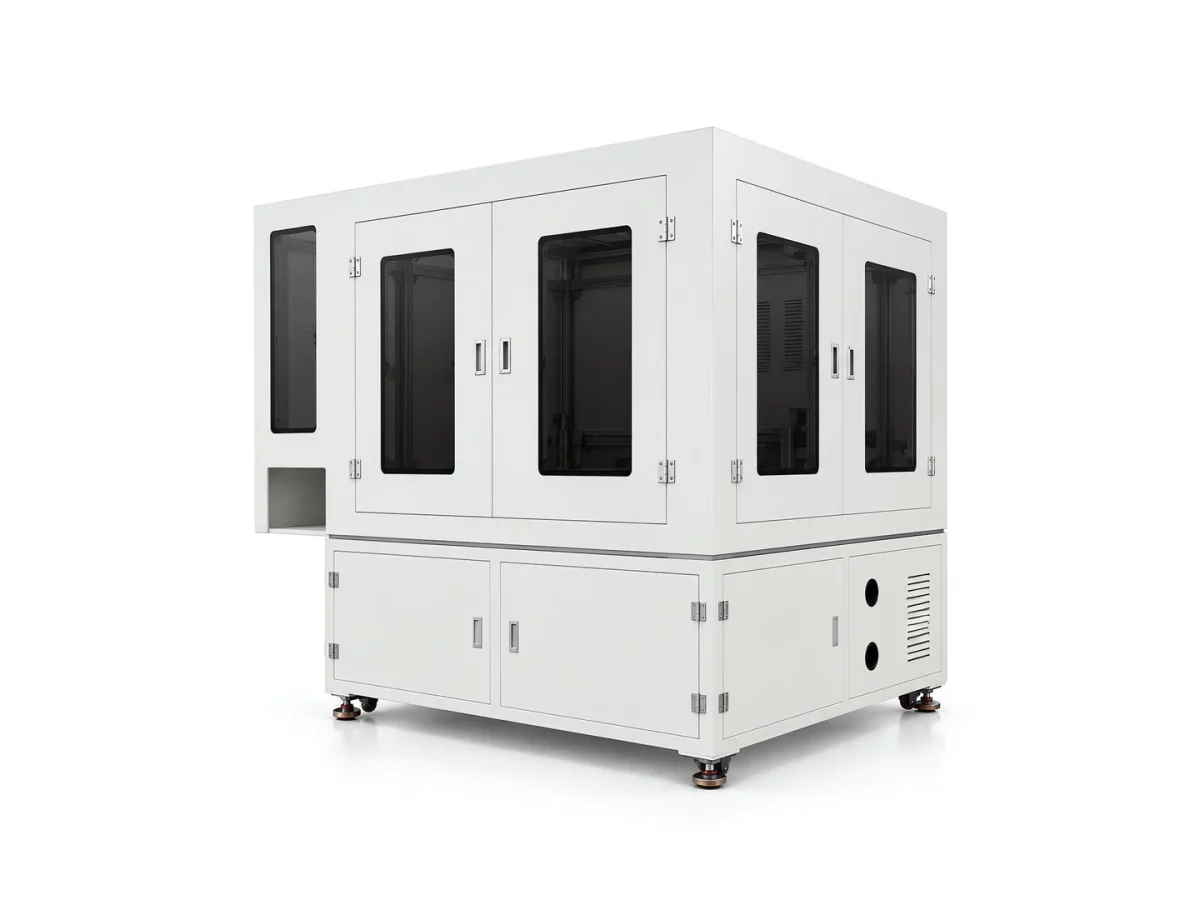
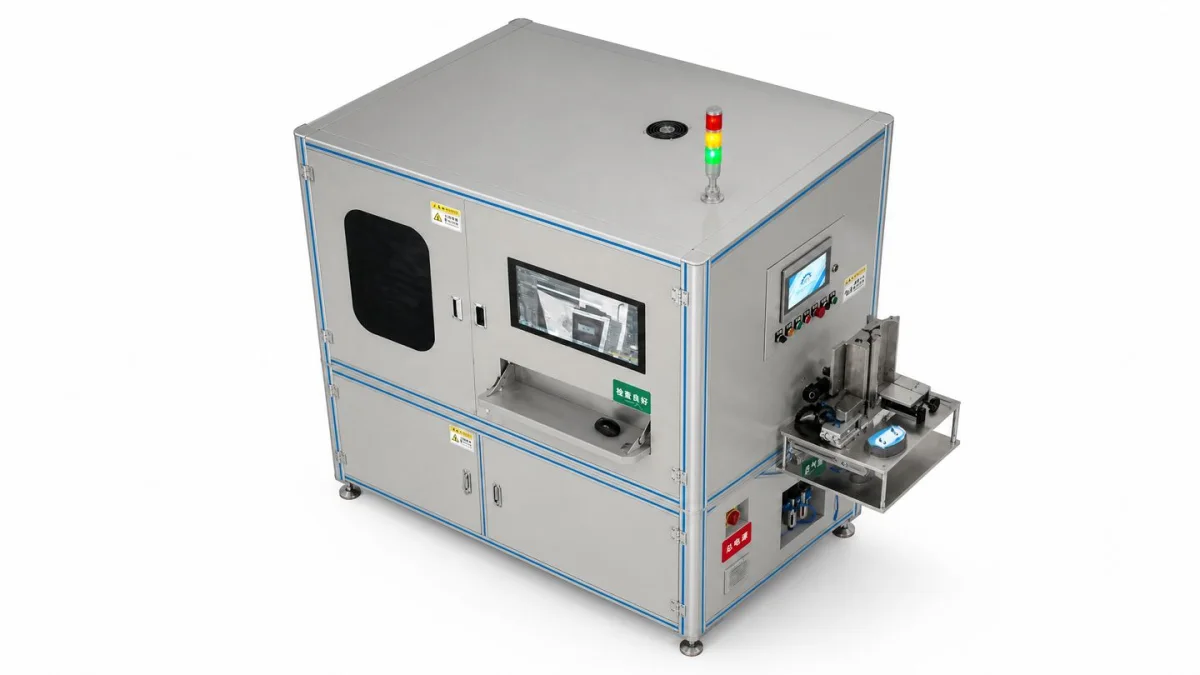
Applicable Type
Open-Cell Foam
Breathable; the focus is on holes and tears
Closed-Cell Foam
Non-breathable, the focus is on indentations and missing corners
High-Density Foam
Fine surface; high pixel equivalent requirement
Foam Cut Pieces
Already cut, inspected piece by piece with defect locating
Foam Rolls
Continuous material feed, line-scan full-width inspection
Common defect
| Defect Types | Typical Manifestations | Inspection Focus Points |
|---|---|---|
| hole | Abnormal large / connected holes | Distinguished from normal foam cells |
| Missing corner | Incomplete Outline | Requires Positioned Measurement |
| indentation | Crush Collapse | Separate process marks from defects |
| Tears | Surface Cracking | Low-angle light forms a clear image |
| Stain / Foreign Matter | Oil Stains, Particles | Distinguish From Foam Cells |
| Uneven Thickness | Local Thickness Variation | Region Statistics |
| Rough Surface | Local Roughness | Grayscale Statistics |
| color difference | Inconsistency Within Batch | Stable Color Reference |
inspection Workflow
Complete chain from loading to judgment
- 01 Foam loading / roll unwinding or cut-piece feeding
- 02 Flattening and tension control
- 03 Triggered Imaging
- 04 Foam cell texture modeling
- 05 Anomaly region segmentation
- 06 Defect classification and grading
- 07 Dimension / contour judgement (optional)
- 08 Synthesized OK / NG
- 09 Marking / rejection and image archiving
AI Inspection Principles
AI Visual Inspection Principles
The core of foam inspection is "finding anomalies in the cell texture". The algorithm builds a model of normal cells and classifies chipped corners, indentations, tears and abnormally large cells as defects. The difficulty is that normal cells and defects have similar morphology, and over-rejection has to be reduced through sample training.
For illumination, diffuse light provides even lighting and makes stains and color difference visible; low-angle light exposes indentation and tearing. Stains on dark foam and indentation on light foam require separate illumination settings, with recipes grouped by color.
For judgement we recommend setting missing corners and tears as high priority and grading indentations by severity (distinguishing process indentations). The specific thresholds must be confirmed by measurement on OK / NG samples.
Applicable Industry
Applicable equipment
Common Question
Will the foamed texture of foam be confused with defects?
Does an Indentation Count as a Defect or a Process Mark?
Is inspection the same for closed-cell and open-cell foam?
Can Internal Bubbles Be Detected?
What is the inspection accuracy?
What samples are needed to develop a solution?
Can It Be Integrated Into an Existing Production Line?
Submit sample testing
Send OK and NG foam samples of different densities and colors, and we will model the cell structure, run measured defect tests, and provide an illumination plan and grading recommendations.
Submitted successfully
We have received your sample testing request. A solution engineer will contact you within 1 business day via contact you.
Need to assess imaging conditions, defect criteria and cycle time item by item? Go to the Full Requirement Assessment →
Send Us Your Material and We Will Show You the Measured Results
Provide several OK and NG samples of the material, and a solution engineer will run actual imaging and judgement tests on the equipment to give a workable inspection configuration recommendation, rather than reading the datasheet alone.